The Best Restorative Exercises for Supporting Healthy Aging
May 27, 2026


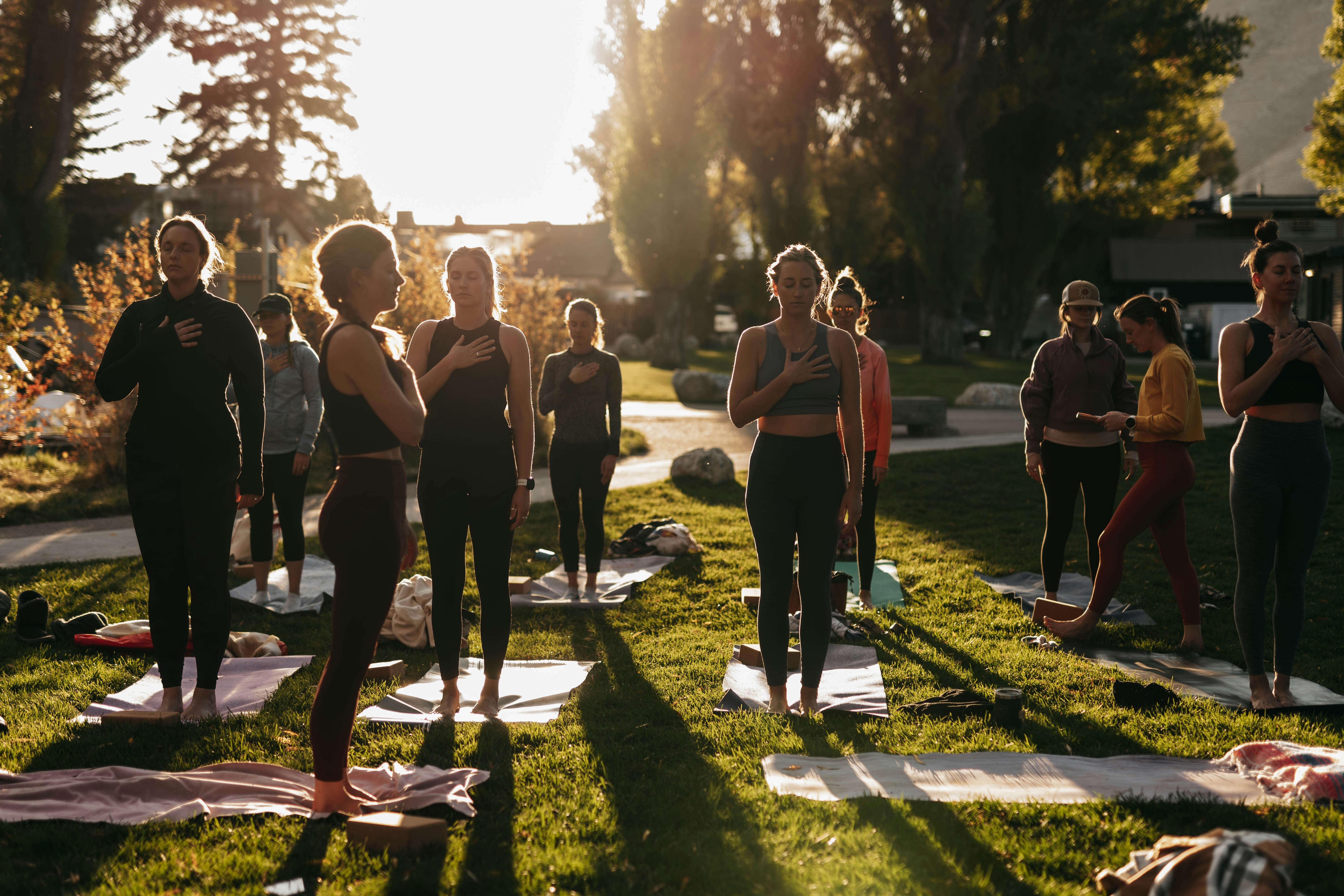
Many overlook how physical movement can influence emotional balance and peace of mind. Somatic movement draws on the body’s signals—such as those from muscles, joints, and nerves—to help the mind settle and release stress. By paying close attention to sensations throughout the body, you can become aware of areas where tension collects. Through small, gentle movements and focused breathing, you learn to ease that tension and bring a sense of relaxation. This approach encourages a greater sense of calm and comfort, allowing both body and mind to feel lighter and more at ease in daily life.
When you observe small physical changes, you connect with emotions that hide beneath daily stress. That makes it easier to process fear, frustration, or grief. The practice encourages you to notice how a stiff neck or tight shoulders relate to inner feelings and then release that tension through focused motion.
Somatic movement focuses on internal awareness instead of external form. You move slowly, paying attention to which muscles engage, where you hold your breath, and how each joint feels. This method differs from traditional exercise by emphasizing sensation over calories burned or distance traveled.
The word “somatic” comes from the Greek soma, meaning body experienced from within. Teachers guide you through exercises that might include rocking on the floor, rolling your head, or tracing patterns in the air with your hand. Each motion activates the nervous system’s wiring and promotes the creation of new neural pathways.
Start with five minutes daily in a quiet space. Lie on a mat or bed. Close your eyes and take gentle breaths. Notice which areas feel tense. Then slowly rock your pelvis or roll your shoulders. Keep movements tiny so you stay aware of every change.
Record what you observe after each session. Note how your mood shifts. Describe which spots relaxed and which remained tight. Review these notes weekly. You will begin to see patterns and select exercises that target your personal stress zones.
You do not need a studio or special equipment to maintain this practice. Fit in short sessions between tasks. Stand up from your desk every hour and trace circles with your shoulders. Roll your neck in both directions. Even a minute of focused motion resets your nervous system.
Use cues in your environment to remind yourself to tune in. Place a sticker on your laptop or set a chime on your phone. When it rings, pause and scan your body. Breathe into tight areas. Release the tension with a deliberate stretch or small sway. Repeating this throughout the day builds resilience.
Somatic movement releases stuck energy and reveals hidden emotions. Listening to your body provides lasting calm and self-awareness.

Understanding emotional intelligence shapes the way we recognize and respond to our own feelings while connecting with others. Workshops focused on this subject break...
Jun 02, 2026
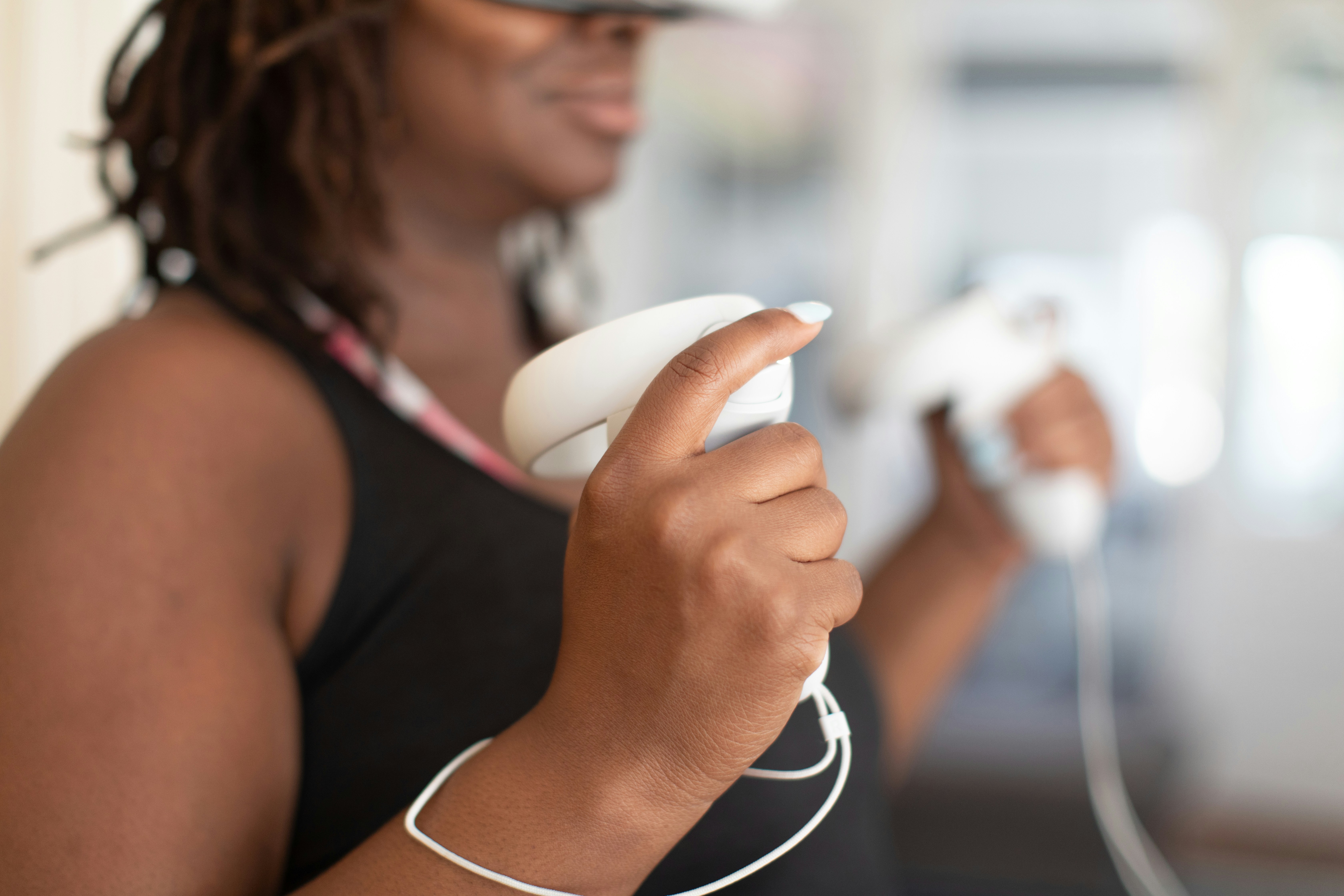
Many people find working out at home repetitive and struggle to stay focused. Introducing game consoles built for fitness brings new excitement and energy to any living...
Aug 26, 2026

Quality sleep lays the foundation for feeling energized, staying in a good mood, and maintaining sharp focus throughout the day. By making a few straightforward changes...
Jun 28, 2026

Good immune health often starts with the everyday foods you prepare and enjoy at home. You can support your body’s natural defenses without reaching for specialty...
Aug 05, 2026

Busy days often fill your schedule with work, family activities, exercise routines, and household responsibilities. As your mind shifts rapidly between competing...
Sep 12, 2026

Writing in a journal offers a practical way to bridge the gap between organizing your future plans and understanding past experiences. With a pen in hand or a digital...
Aug 16, 2026
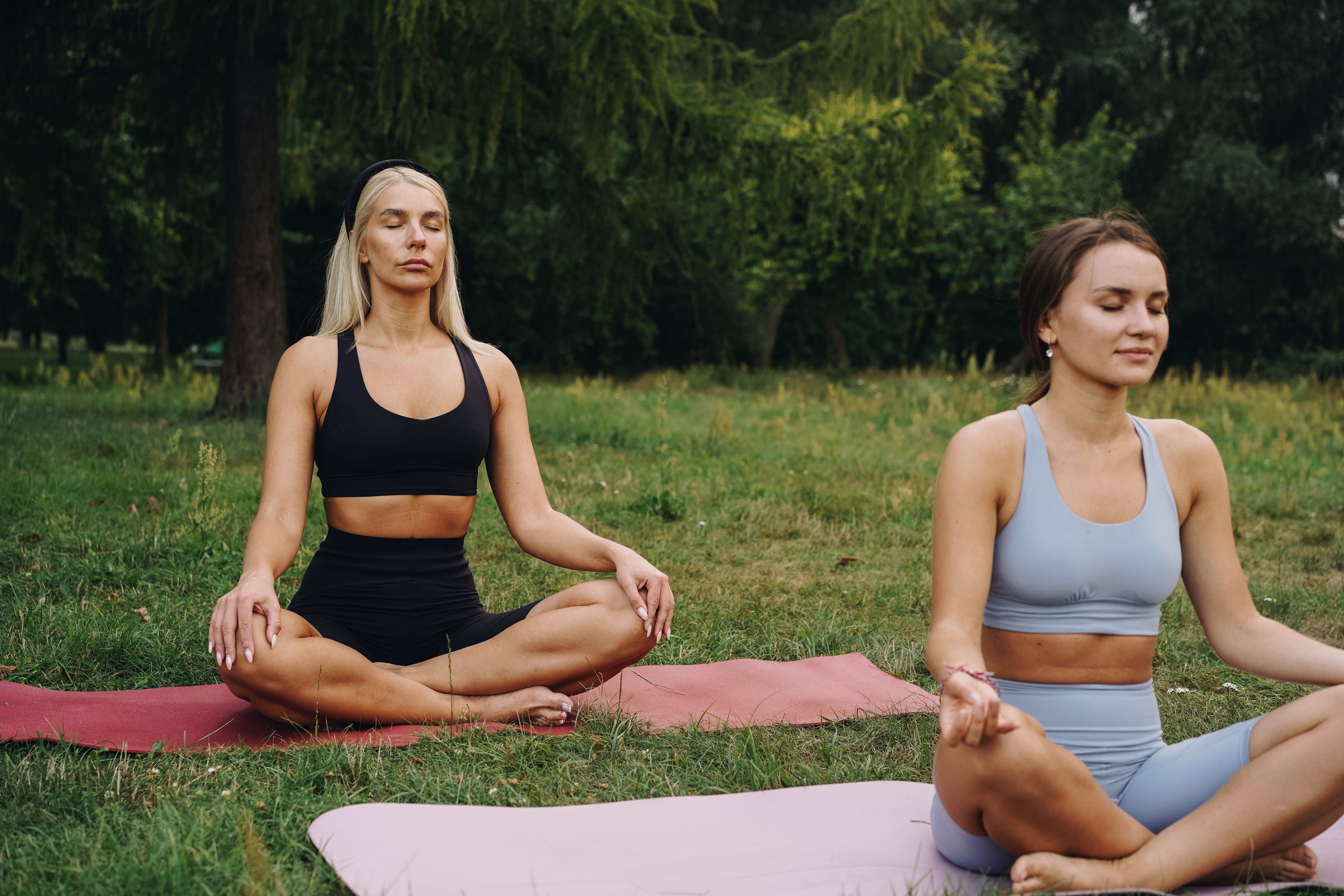
Fresh air and natural surroundings can make a noticeable difference in how you feel. Spending time under a leafy canopy helps reduce stress and brings clarity to your...
Jun 10, 2026
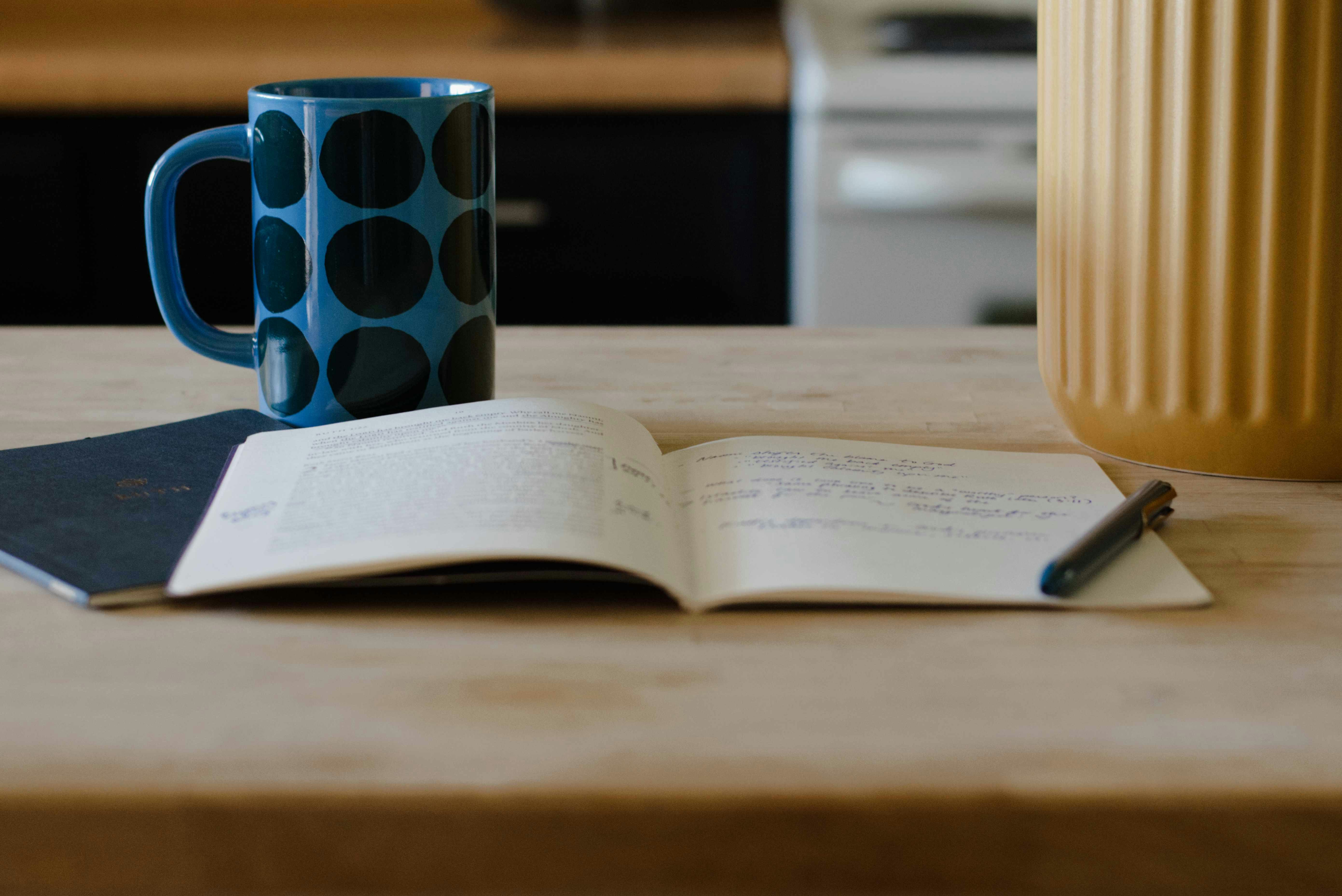
Creating a routine that supports your body, mind, and spirit involves thoughtful planning and dedication. Begin by recognizing what you truly need, then decide on...
May 23, 2026
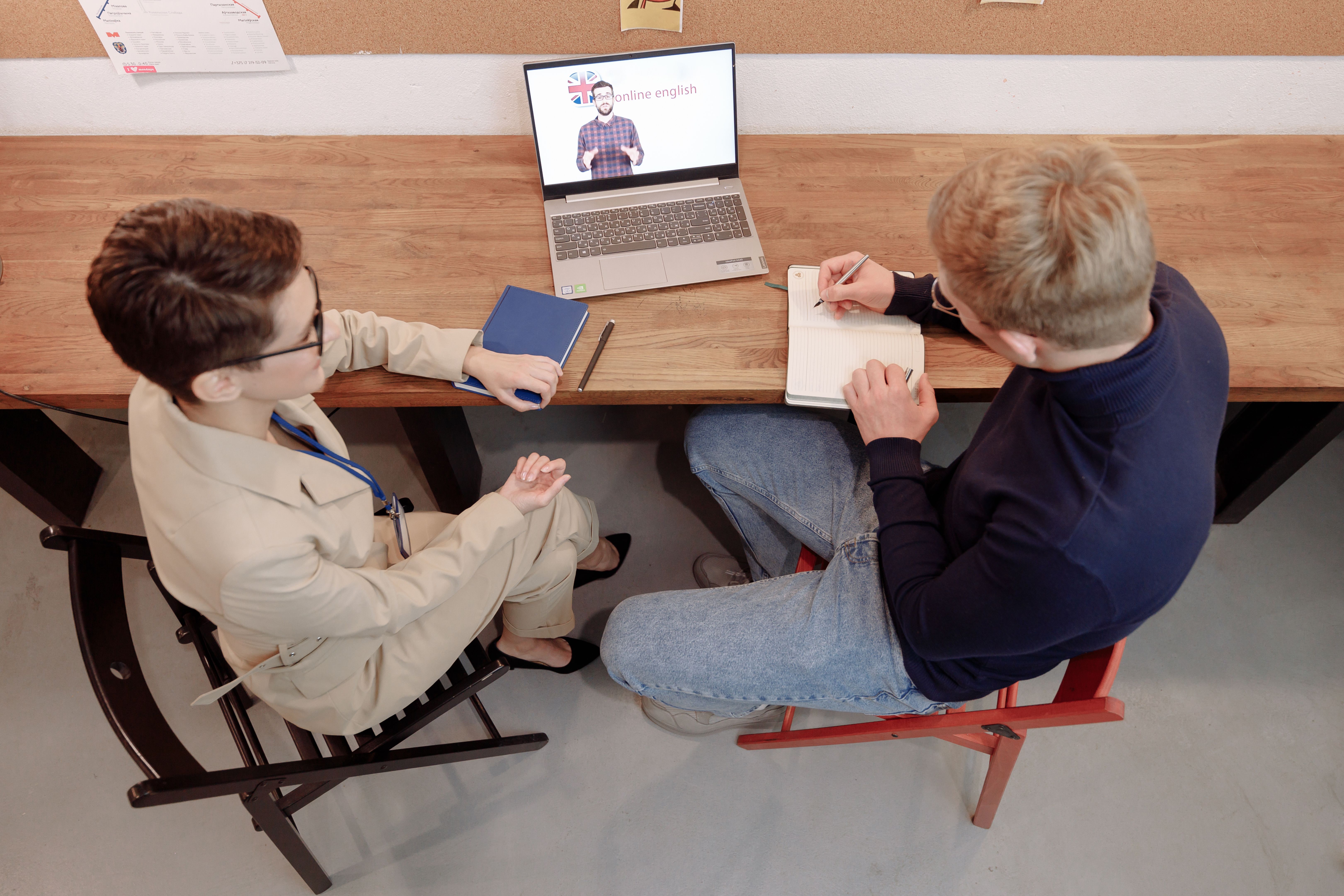
Picking up a new language challenges your mind and brings a sense of excitement to everyday life. As you learn fresh vocabulary and try out unfamiliar sounds, your brain...
Jul 14, 2026

Strong memory and consistent concentration build on more than determination alone. Studies highlight that specific nutrients and brain-training activities play a key...
Aug 22, 2026

Open and honest conversations lay the groundwork for meaningful relationships. When we truly listen and speak from the heart, we create space for growth, trust, and...
Jul 10, 2026

Managing the expectations of your job alongside personal responsibilities influences your overall sense of well-being each day. Clearing mental clutter becomes easier...
Aug 12, 2026

Group sessions that link everyday financial choices to personal wellness often lead to meaningful improvements. When you set clear intentions from the start, you help...
Aug 19, 2026

Selecting a health risk tool that matches your unique lifestyle and personal goals gives you the opportunity to improve your well-being with confidence. The most...
Sep 04, 2026