How to Create a Balanced Self-Care Plan That Actually Works
May 23, 2026


Building self-worth starts with the way we view ourselves and communicate our ideas. When individuals cultivate a more positive relationship with their bodies, they tap into a deep sense of confidence that influences their actions each day. Adding creative activities to this journey can make a meaningful difference, offering an enjoyable way to feel more at ease and proud of personal achievements. Exploring art, writing, music, or other forms of self-expression helps people connect with their emotions and celebrate their progress. Through this combination of self-acceptance and creativity, anyone can discover new strengths and nurture a strong sense of personal value.
This guide reveals clear steps to explore body awareness, connect self-talk with feelings, and use art, writing, or movement as tools for self-improvement. You’ll find practical tips to incorporate these ideas into your routine and overcome obstacles when progress feels slow.
Body image shows how you think and feel about your physical self. That includes beliefs about appearance and how you compare yourself to others. When you notice a negative thought—like focusing only on flaws—you create space to question it. Recognizing triggers helps you move toward a balanced view.
Try a simple check-in: stand in front of a mirror, take a breath, and name three neutral or positive details about your body. Maybe you notice strong shoulders, good posture, or clear skin. Recognizing small facts breaks the pattern of constant criticism and makes room for a kinder inner voice.
Understanding how these parts connect gives you a map for change. Change one area—like challenging a harsh thought—and you’ll see how it brightens your sense of self. This domino effect pushes you toward stronger self-esteem.
These activities connect physical sensations and emotions. Noticing how your hand moves or how your chest opens when you dance helps you tune into internal signals. That practice builds trust in your own experience.
Being consistent really makes a difference. Dedicate a few minutes each morning or evening to small exercises. For example, stand tall for two minutes after waking up and observe any change in mood. This posture change sends strong signals to your brain about readiness and strength.
You can also keep a “win” journal. Every day, write down one thing you did that felt good—maybe you finished a project on time or wore an outfit that felt comfortable. Seeing a list of achievements, no matter how small, keeps you grounded in accomplishments instead of worries.
Obstacles come up even when you have good intentions. You might skip creative time on busy days or fall into negative self-talk when stress hits. Prepare ahead by choosing two quick fixes: an audio clip or playlist on *Spotify* to lift your mood, and a three-minute sketch session with colored pencils.
When you notice resistance, pause and ask yourself what you need. If a prompt feels too big, break it into smaller steps. Instead of writing a full page, scribble a word that sums up your feeling. Small actions help you avoid the urge to quit and create a sense of steady progress.
Practicing these steps helps you change how you see your body and improves your mood. Regularly repeating this cycle rewires your inner dialogue and builds your confidence.

Open and honest conversations lay the groundwork for meaningful relationships. When we truly listen and speak from the heart, we create space for growth, trust, and...
Jul 10, 2026
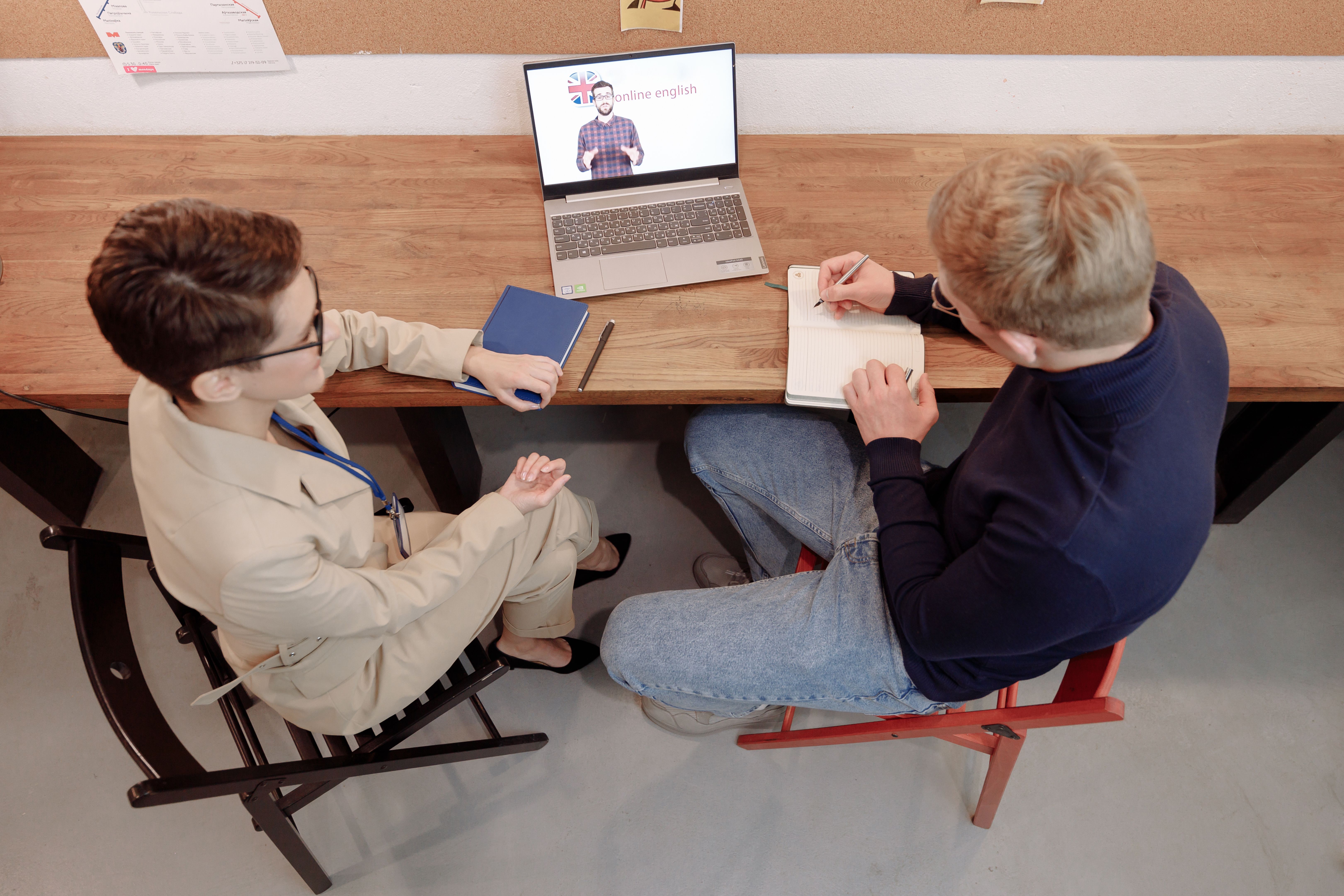
Picking up a new language challenges your mind and brings a sense of excitement to everyday life. As you learn fresh vocabulary and try out unfamiliar sounds, your brain...
Jul 14, 2026

Every day brings new challenges, whether you are balancing work projects, caring for loved ones, or pursuing your own ambitions. Surprises often appear when you least...
Jul 05, 2026
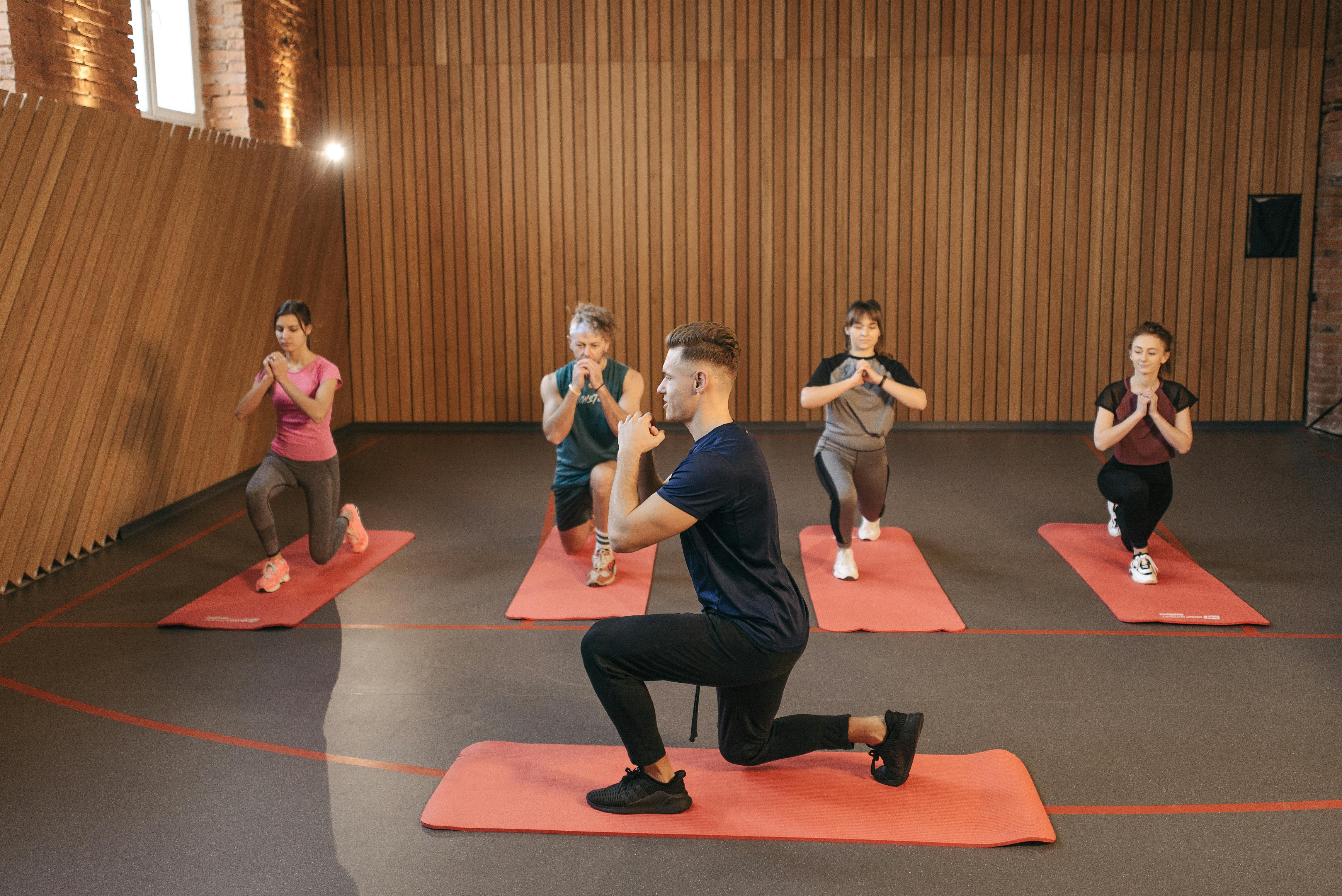
Each morning brings the chance to look forward to an energizing workout. You reach for your shoes and make your way to a vibrant class where friendly faces welcome you...
Apr 18, 2026

Modern telehealth platforms simplify the process of managing long-term health conditions by bringing medical support directly to your fingertips. Through secure virtual...
Apr 15, 2026

Understanding emotional intelligence shapes the way we recognize and respond to our own feelings while connecting with others. Workshops focused on this subject break...
Jun 02, 2026
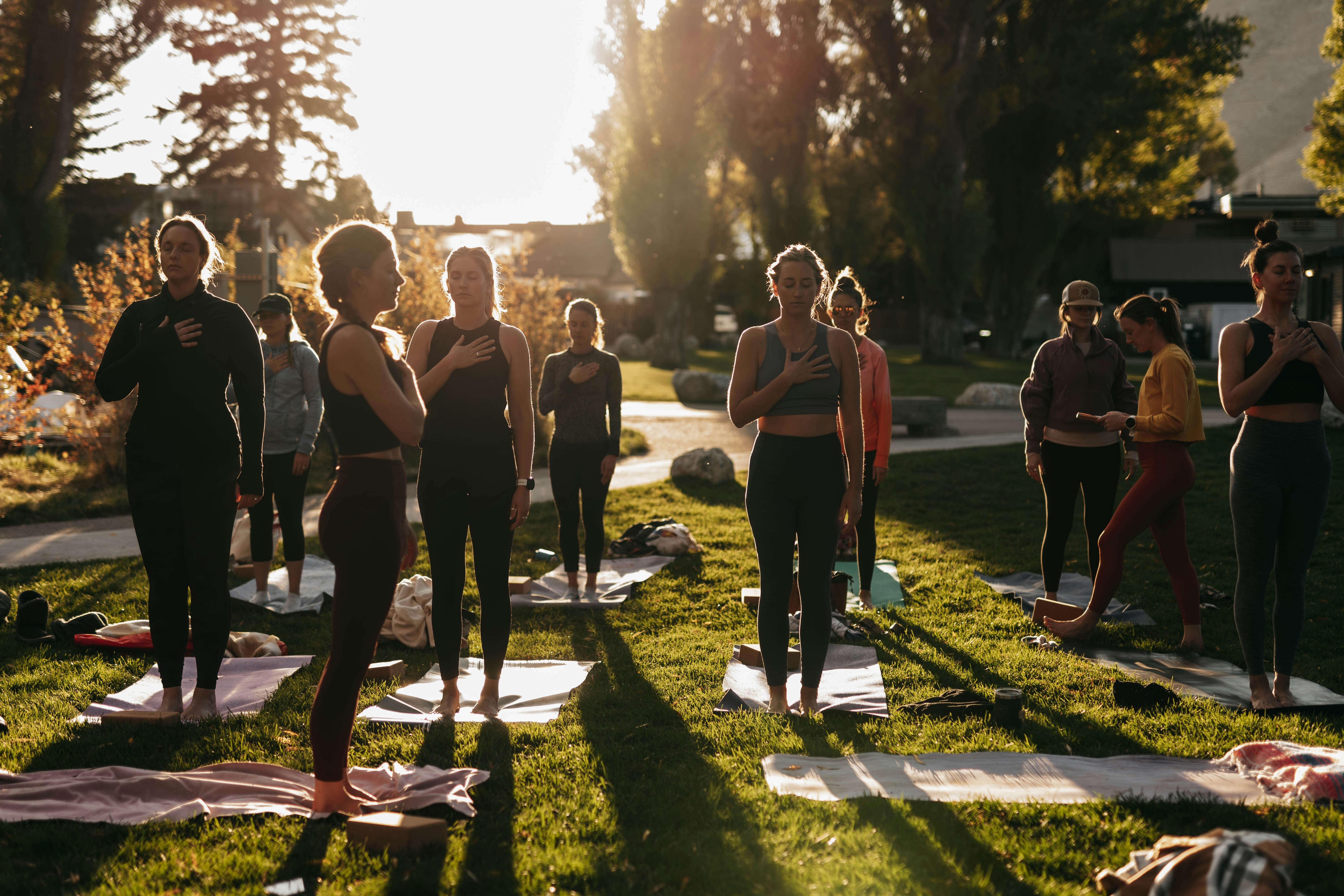
Adults discover healthier routines through nature-based learning workshops that blend outdoor activities with practical lessons. These workshops invite participants to...
Jul 21, 2026

Quality sleep lays the foundation for feeling energized, staying in a good mood, and maintaining sharp focus throughout the day. By making a few straightforward changes...
Jun 28, 2026
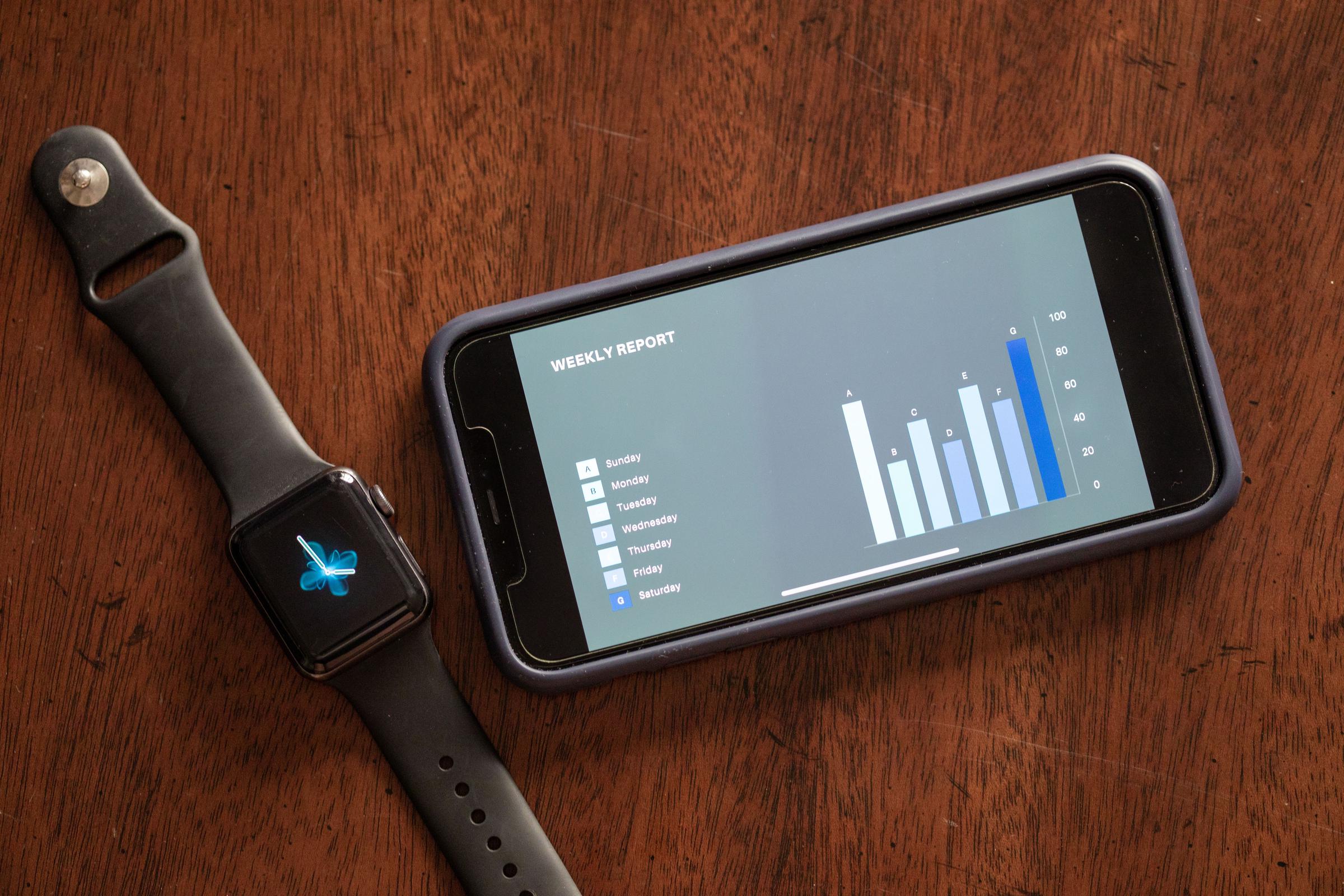
Building consistent routines becomes much easier with the support of habit tracking apps. These tools allow you to select a goal, record your actions each day, and...
Jun 24, 2026

Setting up a dedicated area for studying helps you draw a clear line between your academic work and everyday responsibilities. By choosing specific times and places for...
Apr 29, 2026

Building stronger focus begins with simple daily habits that fit easily into your routine. Every exercise included here works a unique aspect of your concentration,...
Apr 25, 2026
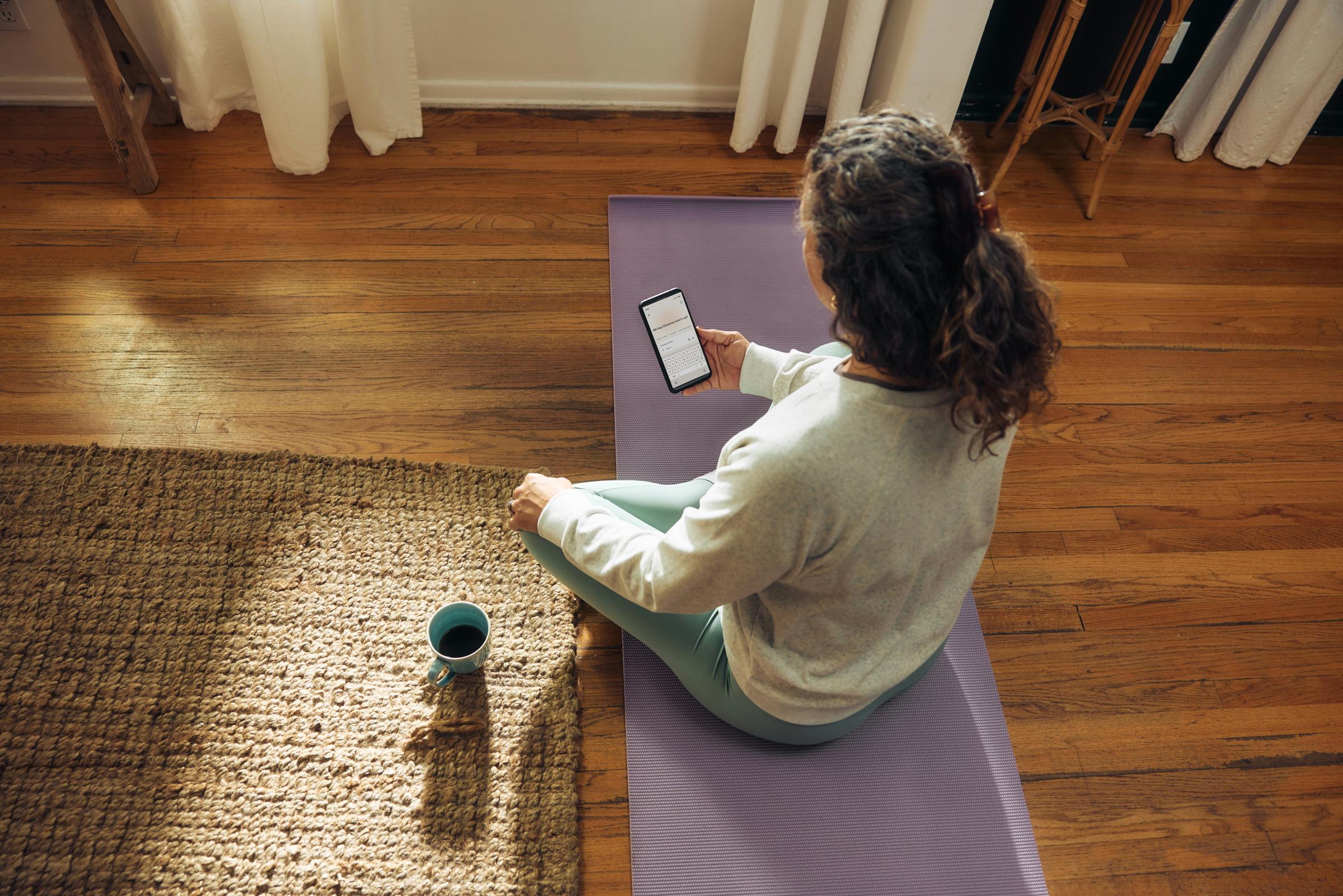
Group-based online wellness challenges bring people together through shared goals and mutual encouragement. By joining a team, participants set targets as a group and...
Apr 11, 2026
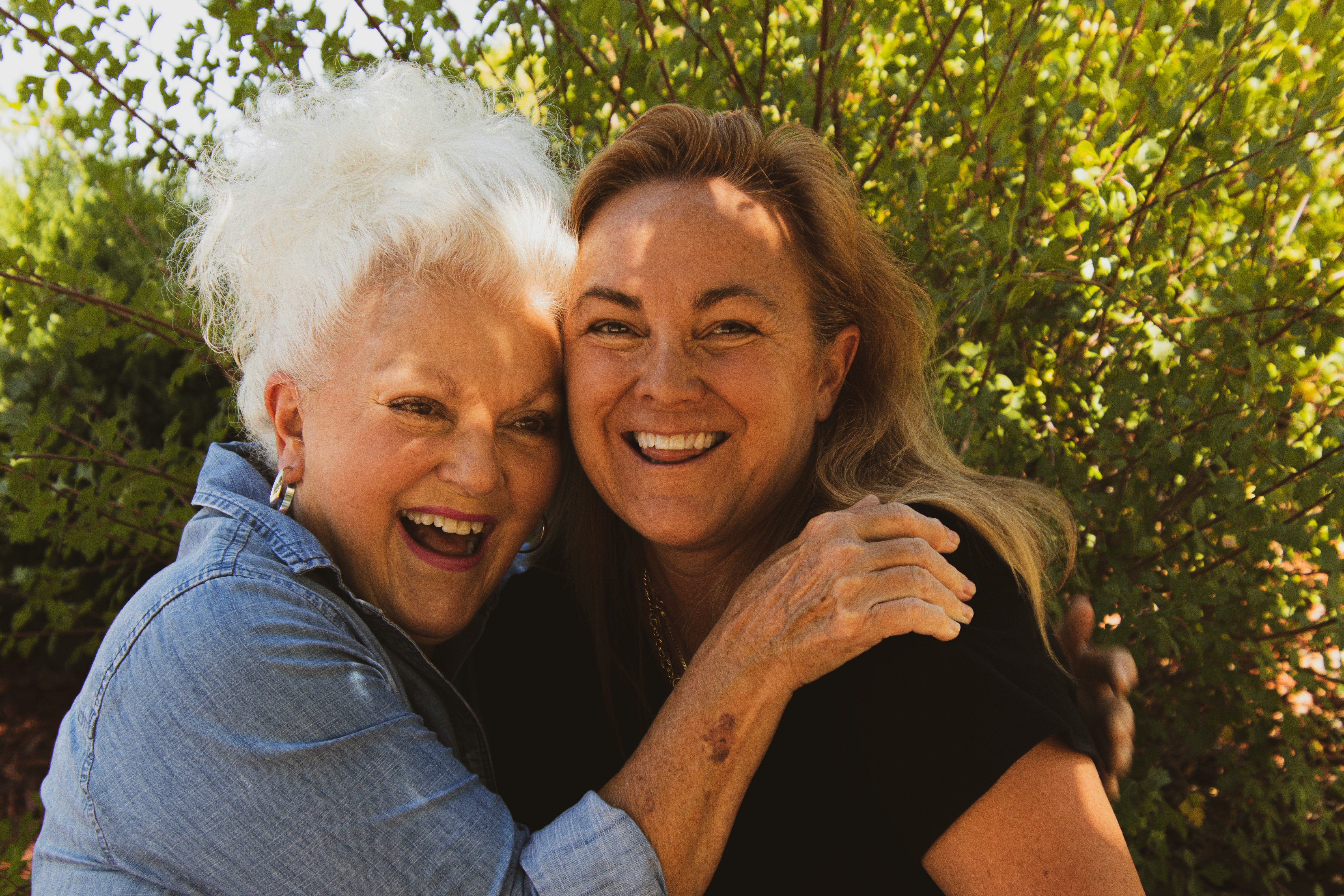
Gentle movement routines offer noticeable benefits as bodies adapt and age. Practicing basic exercises helps reduce joint stiffness, improve muscle strength, and...
May 27, 2026
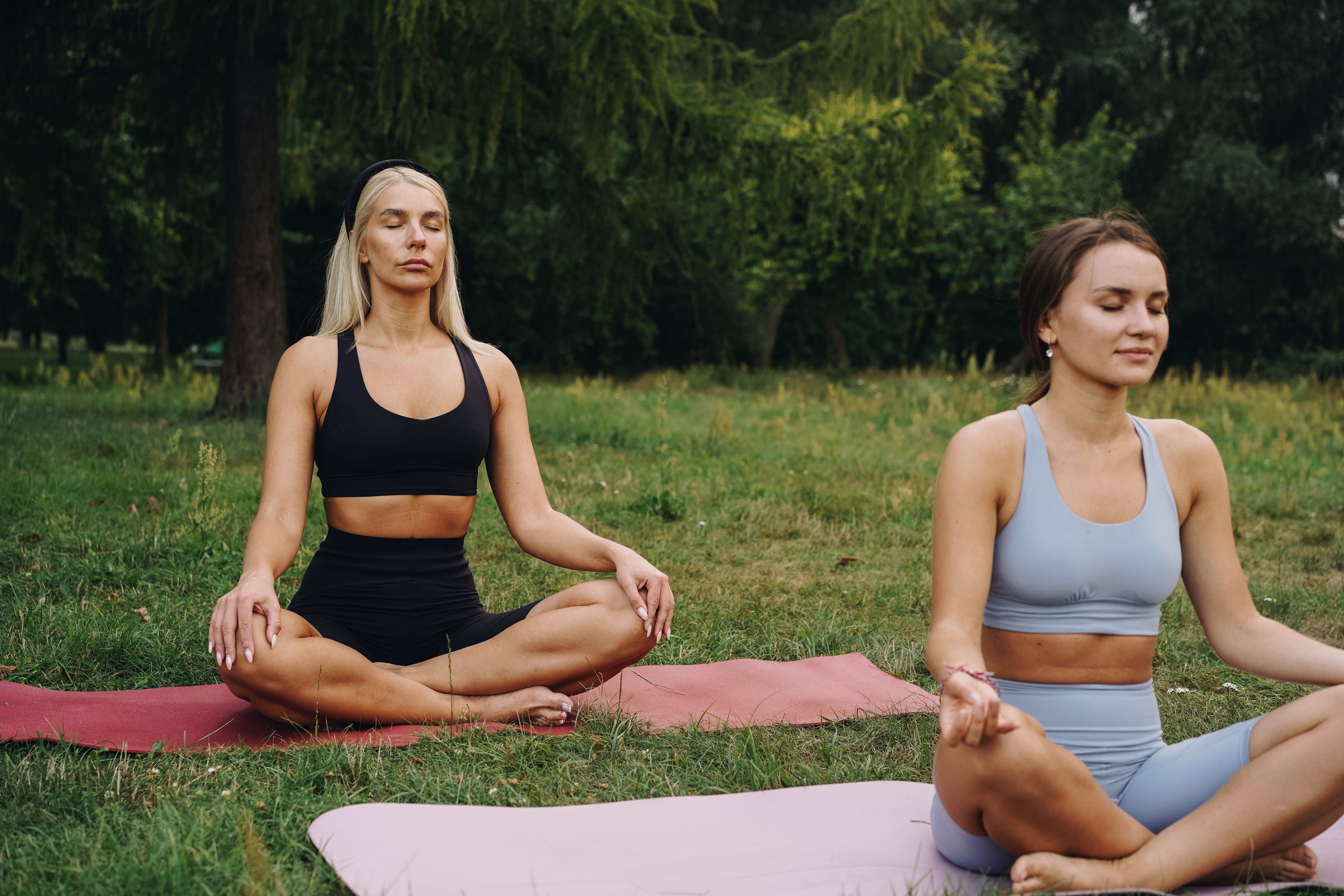
Fresh air and natural surroundings can make a noticeable difference in how you feel. Spending time under a leafy canopy helps reduce stress and brings clarity to your...
Jun 10, 2026