The Top Sleep Strategies to Enhance Learning Retention
May 02, 2026


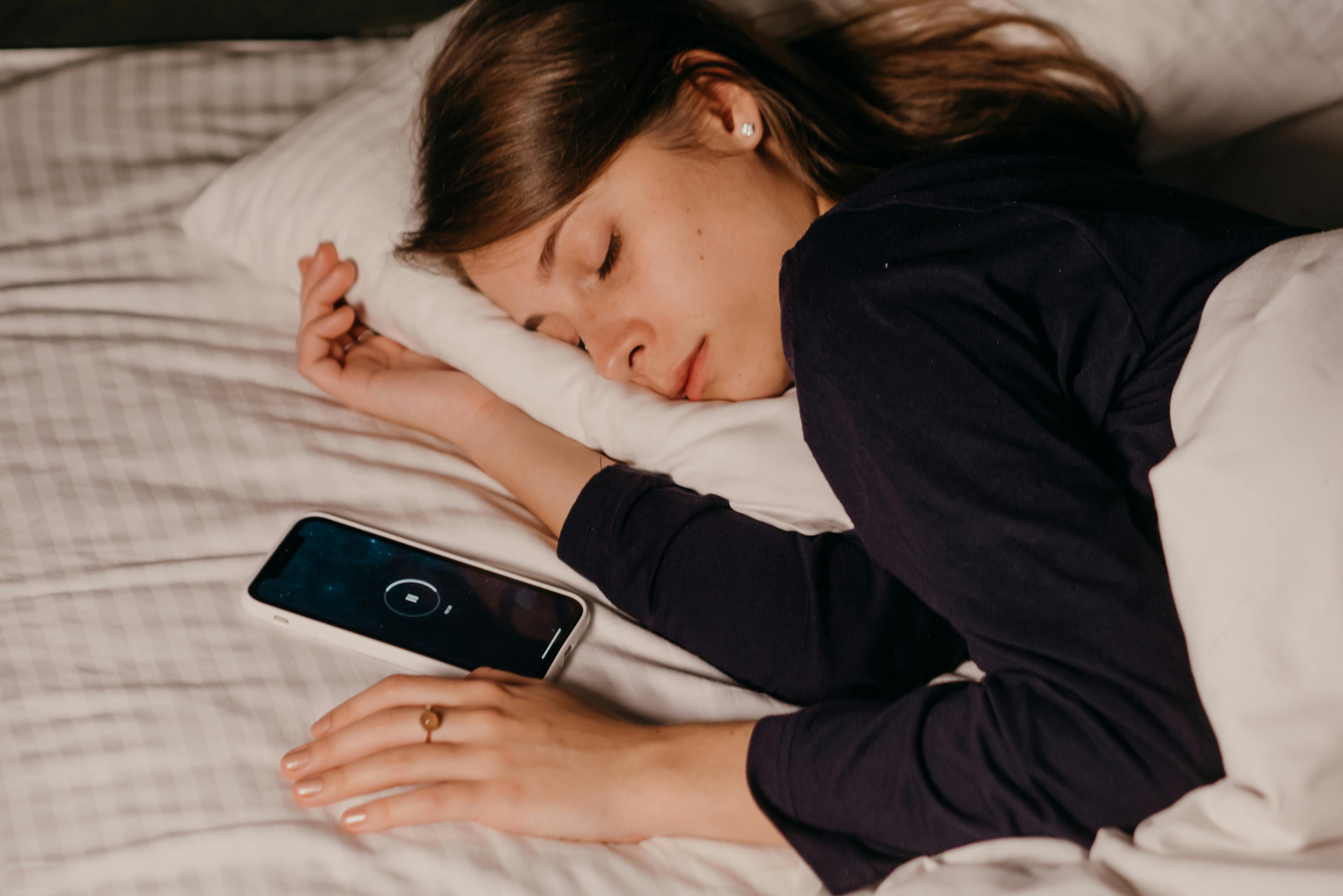
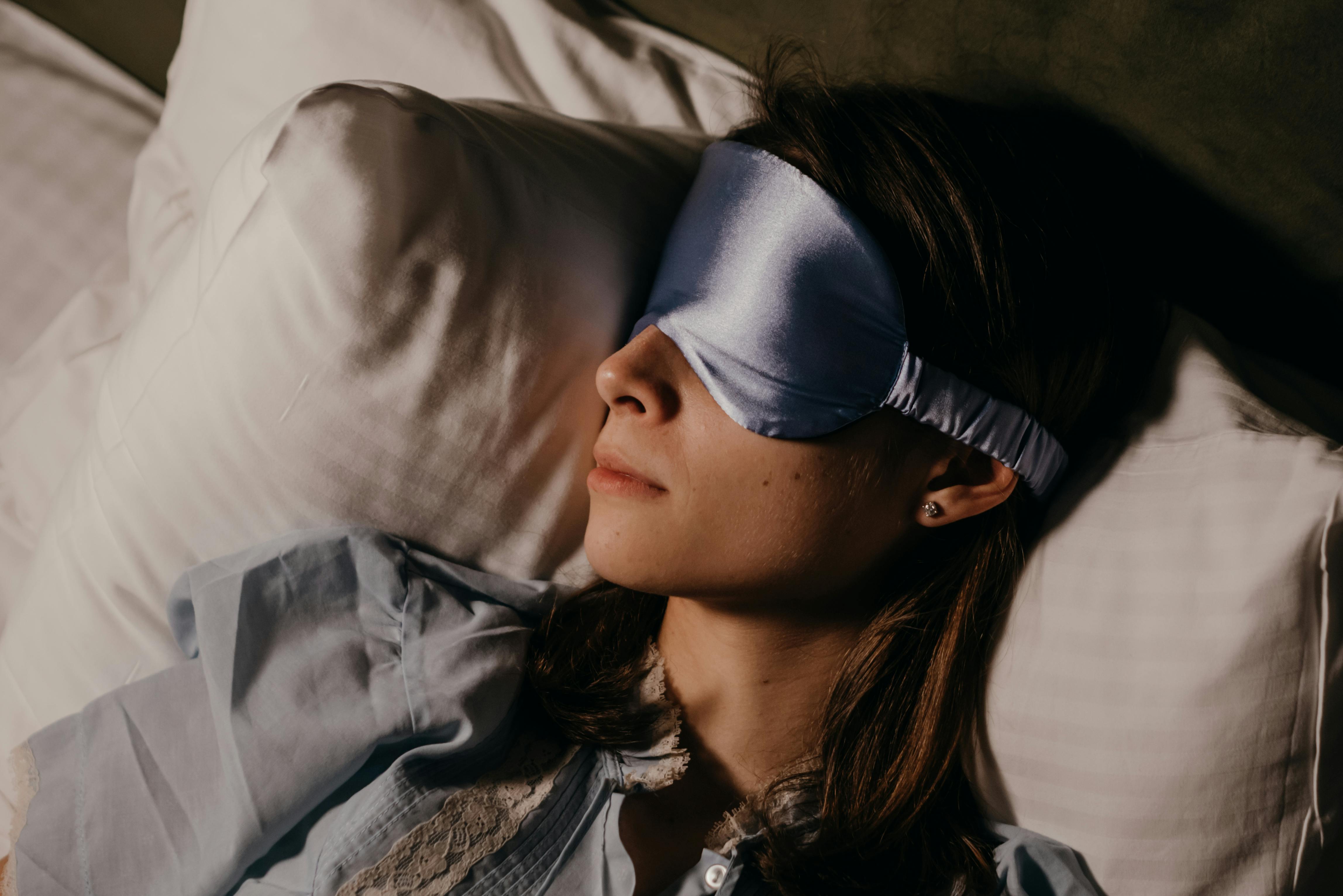
Quality sleep lays the foundation for feeling energized, staying in a good mood, and maintaining sharp focus throughout the day. By making a few straightforward changes to your nightly routine, you can set yourself up for deeper, more restful sleep. This guide offers easy-to-follow steps and practical examples to help you create healthy habits that make a real difference. Try out these suggestions, and you may soon notice that waking up feels easier and tackling your daily responsibilities becomes less of a challenge. Improved rest can help you approach each morning with a clearer mind and a stronger sense of well-being.
Science suggests most adults do best with about seven to nine hours of shut-eye. When rest slips, you hit afternoon slumps and find it harder to stay present. The ideas below blend research with practical moves. Pick a few that fit your routine and watch results trickle in fast.
Sleep hygiene involves habits that shape your daily routine and bedroom setup. Good habits signal your brain when it’s time to wind down and wake up. Once you fine-tune these routines, rest becomes more consistent.
Start by tracking your current patterns for a week. Note bedtimes, wake times, and any interruptions. This data reveals where you lose quality sleep. From there, tweak one habit at a time. Small shifts add up.
Most bodies thrive on rhythm. Going to bed and rising at the same time reinforces your internal clock. You’ll fall asleep faster and wake up feeling more refreshed.
Follow this step-by-step plan to lock in your schedule:
Your bedroom should feel like a calm retreat. Dimming lights and cutting down noise trains your mind to relax. The right environment can shave minutes off your time to drift off.
Focus on these elements:
Creating a wind-down ritual signals your mind that sleep time is near. Try breathing exercises or light stretching. These moves ease muscle tension and slow racing thoughts.
Find what works best for you. One person might find a two-minute breath count more effective than a 20-minute routine. Experiment and tailor a ritual to your schedule and taste.
What you do during daylight hours affects your sleep at night. Activity levels, meals, and exposure to light all influence your rest. Here’s how to align your daily habits with better sleep:
Small tweaks can yield big improvements. You’ll feel more alert at work and less tempted by naps.
Even well-intentioned habits can backfire if you don’t pay attention to the details. One frequent mistake is relying on digital trackers without adjusting based on how you actually feel. Data helps, but if your eyes still feel droopy mid-morning, adjust your plan.
Watch out for these pitfalls:
Identifying these mistakes early keeps setbacks small. Adjust on the fly and stay motivated.
Start by trying these simple techniques and noting how each affects your sleep. With consistent effort, you will enjoy more restful nights and wake up refreshed.

Many people wake up searching for motivation and clarity to start their day with purpose. Joining a structured online challenge can provide the support you need to build...
May 12, 2026
Creating a routine that supports your body, mind, and spirit involves thoughtful planning and dedication. Begin by recognizing what you truly need, then decide on...
May 23, 2026

Small, consistent changes in your daily routine can support your health for years to come. Eating a variety of whole foods, staying active, and finding ways to manage...
May 19, 2026

Persistent pain disrupts routines and often leaves people feeling exhausted and discouraged. Even minor adjustments in pain management can create noticeable positive...
Apr 22, 2026

Taking part in local community projects or lending a hand overseas opens up opportunities for personal growth and greater well-being. Volunteering introduces you to...
Mar 04, 2026
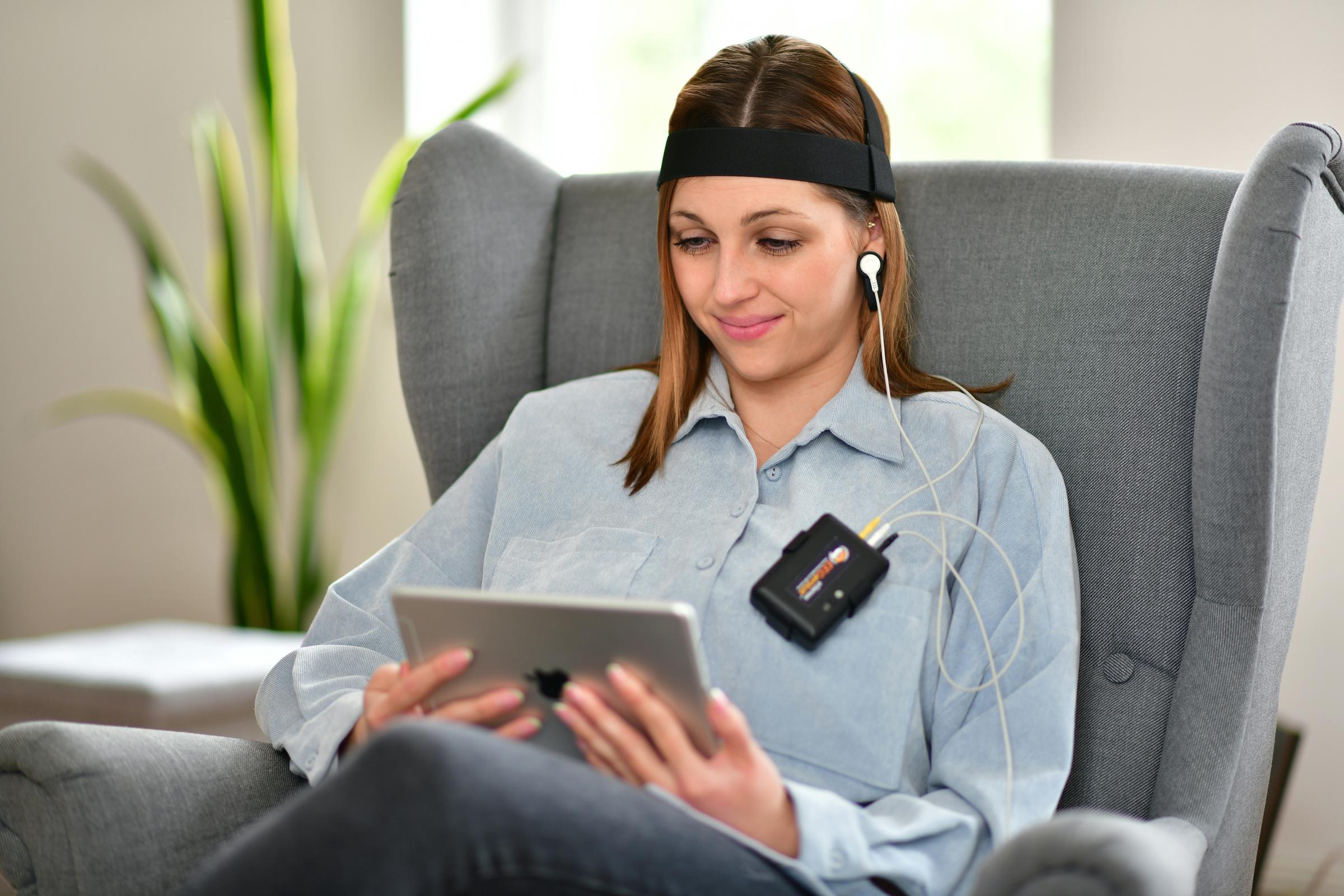
Daily challenges often lead to unexpected stress, leaving you feeling depleted and unfocused. With biofeedback devices, you gain insight into your body’s real-time...
May 07, 2026
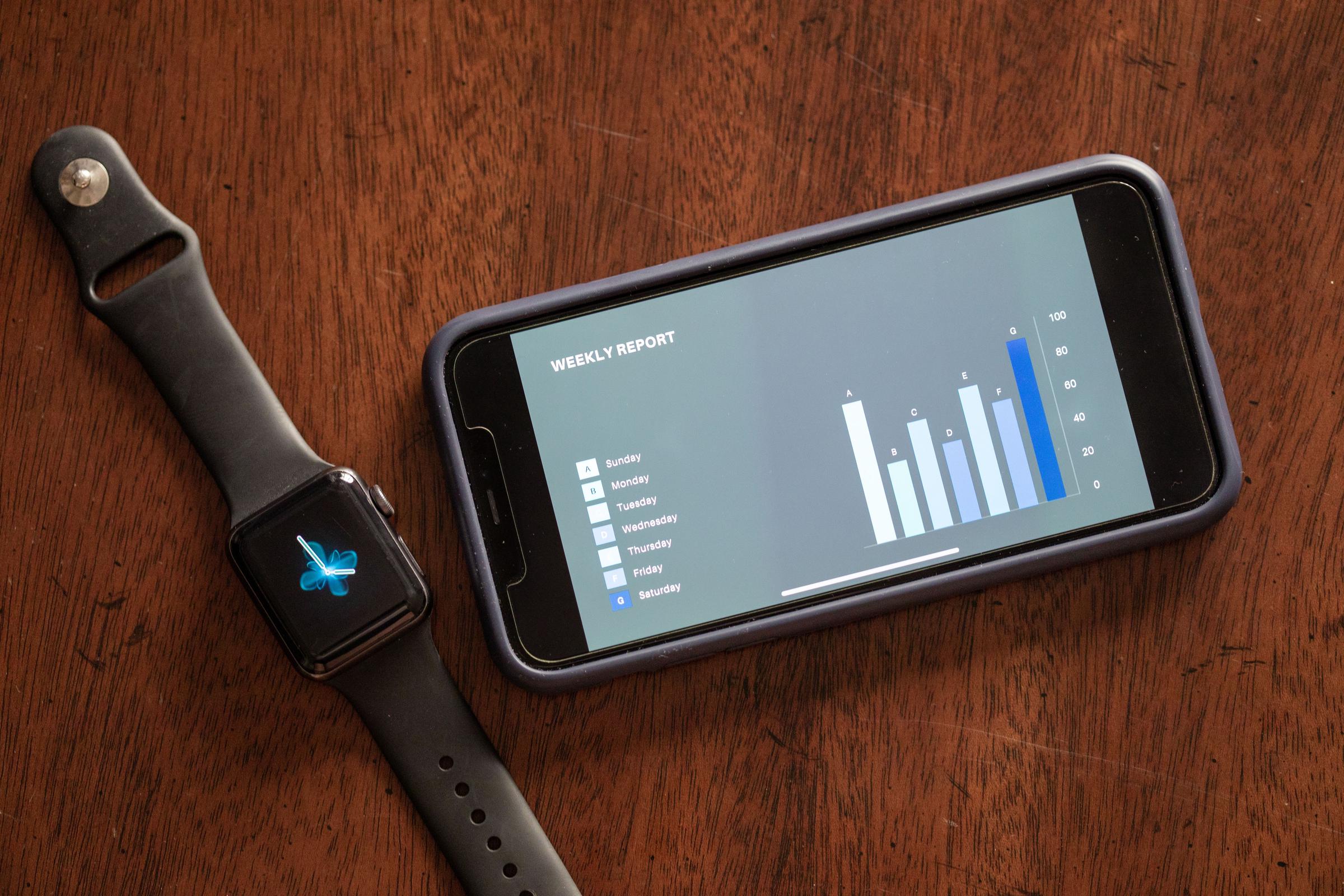
Building consistent routines becomes much easier with the support of habit tracking apps. These tools allow you to select a goal, record your actions each day, and...
Jun 24, 2026

Long hours at a desk often leave your back, neck, and shoulders feeling stiff or sore. Choosing ergonomic tools and making simple adjustments to your workspace can help...
Mar 13, 2026
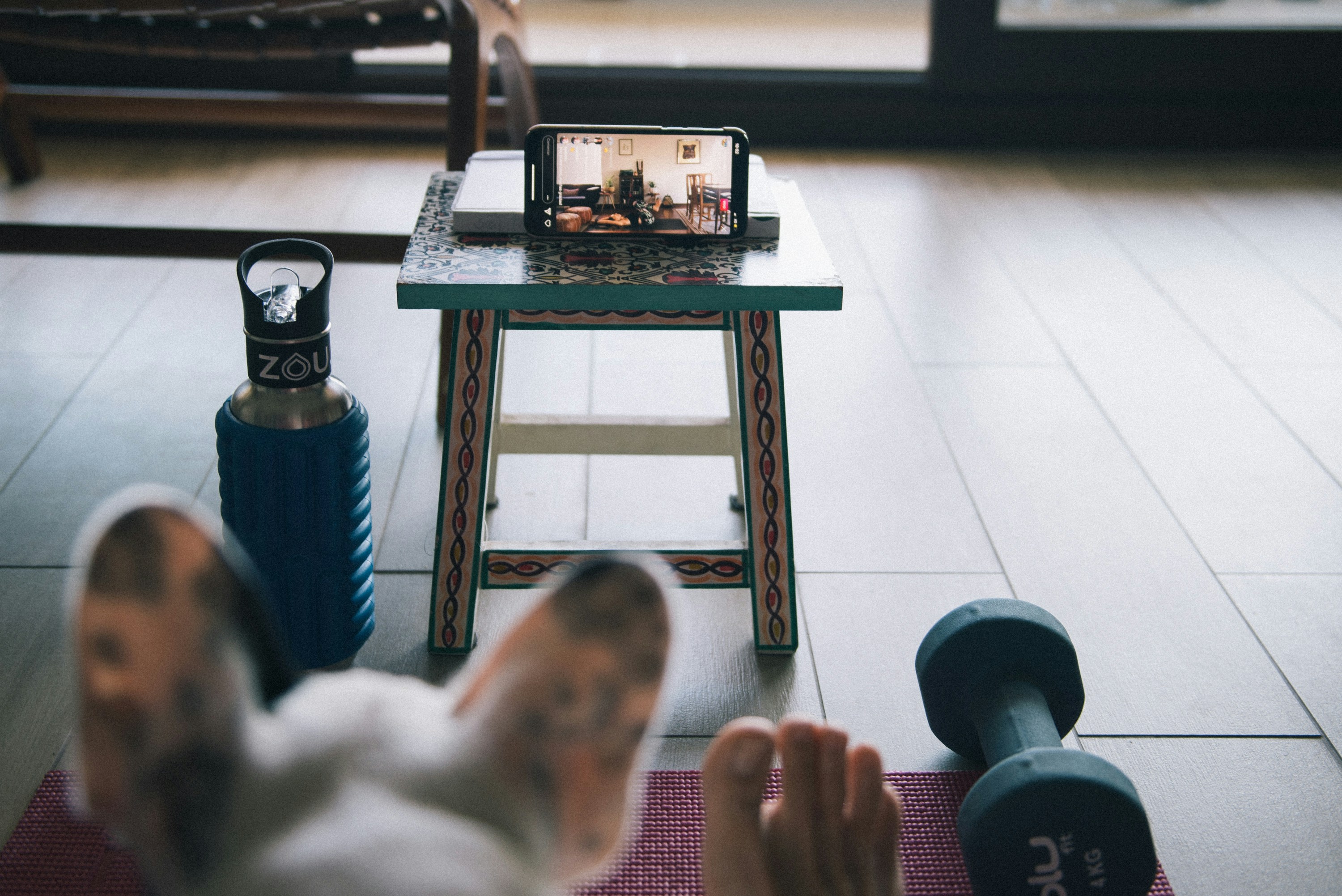
Joining an online fitness hub opens the door to a community that celebrates your achievements, shares helpful advice, and supports your journey every step of the way....
Jun 15, 2026
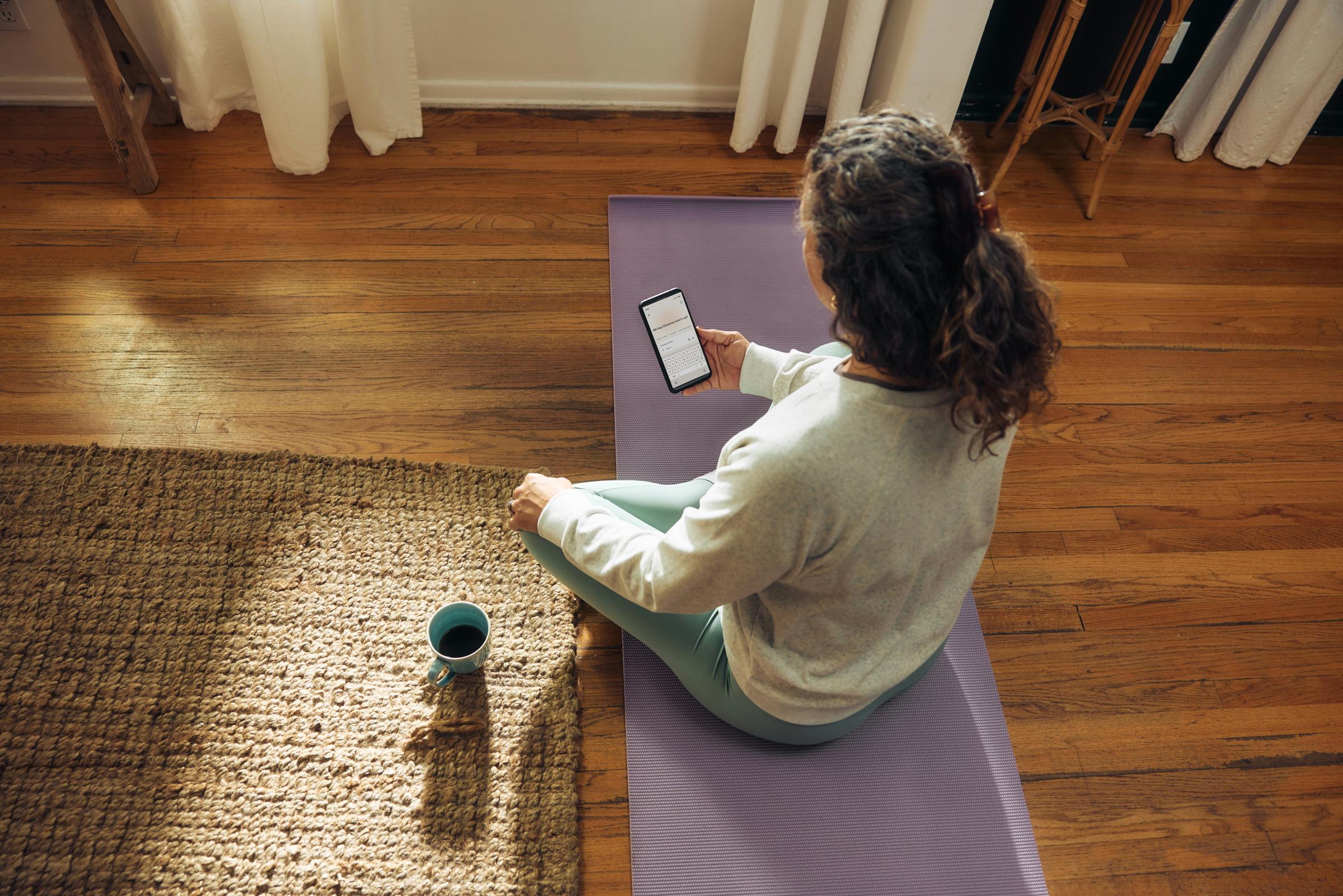
Group-based online wellness challenges bring people together through shared goals and mutual encouragement. By joining a team, participants set targets as a group and...
Apr 11, 2026

Fresh air and natural surroundings can make a noticeable difference in how you feel. Spending time under a leafy canopy helps reduce stress and brings clarity to your...
Jun 10, 2026

Setting up a dedicated area for studying helps you draw a clear line between your academic work and everyday responsibilities. By choosing specific times and places for...
Apr 29, 2026

Building stronger focus begins with simple daily habits that fit easily into your routine. Every exercise included here works a unique aspect of your concentration,...
Apr 25, 2026

Many people look for ways to better understand their health and make informed choices. Using online health risk assessments offers a simple and convenient way to spot...
Jun 21, 2026