5 Top Features to Look for in a Sleep Monitoring Device
May 09, 2026


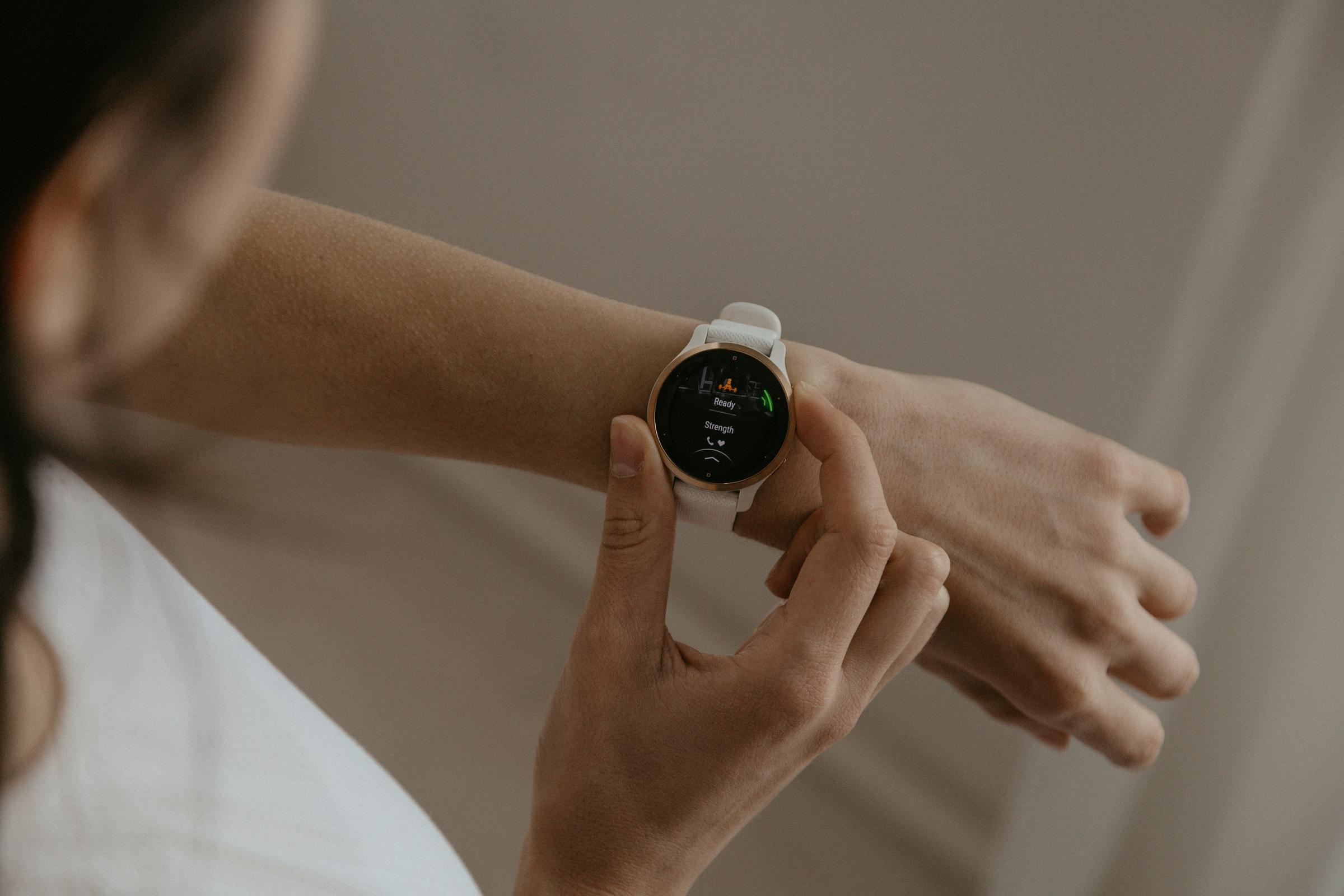
Daily challenges often lead to unexpected stress, leaving you feeling depleted and unfocused. With biofeedback devices, you gain insight into your body’s real-time signals, such as heart rate, skin temperature, and brainwaves. By observing these indicators, you quickly recognize when stress arises and respond with calming techniques that address your needs in the moment. Using tools like these puts you in control, helping you ease tension and improve your well-being. This guide walks you through selecting the right biofeedback device, setting it up correctly, and using it effectively so you can experience genuine relief.
Biofeedback converts invisible signs into visible data. A sensor detects a signal—such as your pulse—and transmits it to an app or display. When you breathe slowly or relax a muscle, you observe numbers changing. This immediate feedback helps your brain learn to control bodily functions and break stress cycles.
Studies show that biofeedback can lower high blood pressure and ease anxiety by teaching you to control heart rate variability. You learn to recognize tension and respond with breathing, visualization, or posture adjustments. Over time, your usual stress level decreases as you develop new habits.
Devices differ based on what they measure and how they display data. Select one based on the signs you want to monitor and the format you prefer.
Each device provides a different perspective. Heart rate monitors work well if you respond to breathing exercises. EEG headbands pair nicely with guided imagery. Pick a format that fits your routine and motivates you to practice.
Begin by charging the device and downloading the companion app. Follow on-screen instructions to pair the sensor and calibrate its baseline readings. Calibration usually involves sitting quietly for one to two minutes.
Position the sensor snugly: a chest strap should feel secure, a wristband should not slide, and an EEG headset must sit flush against your forehead. Good contact ensures accurate data. Perform a quick test, observe the live feed, and make sure your readings change as you breathe or tense muscles.
Design your plan around your daily routine and stress triggers. Tailor sessions for short breaks or evening wind-downs. Follow these steps to create a clear plan:
Following a clear step-by-step plan keeps your efforts focused. Reviewing your logs reveals which tactics lead to quick improvements.
Integrate biofeedback into routines you already follow. Fit a quick session into your morning coffee or lunch break. Pair it with chores at home—place the device on your desk while tidying up. Keep the process simple so you don’t skip days.
If you commute on public transport, carry a compact sensor to monitor your heart rate. Use earbuds to listen to a calming audio guide. Over time, your body associates the device with relaxation, so stress levels decrease even before you start the session.
Even simple gadgets can encounter issues. Follow these tips to stay on track:
Charge your device consistently. If the battery dies mid-session, you lose data. Schedule top-ups after work or before bed to ensure a fully charged device each day.
Biofeedback provides measurable control over stress through real evidence. Regular practice with reliable devices helps you achieve lasting calm.

Fresh air and natural surroundings can make a noticeable difference in how you feel. Spending time under a leafy canopy helps reduce stress and brings clarity to your...
Jun 10, 2026
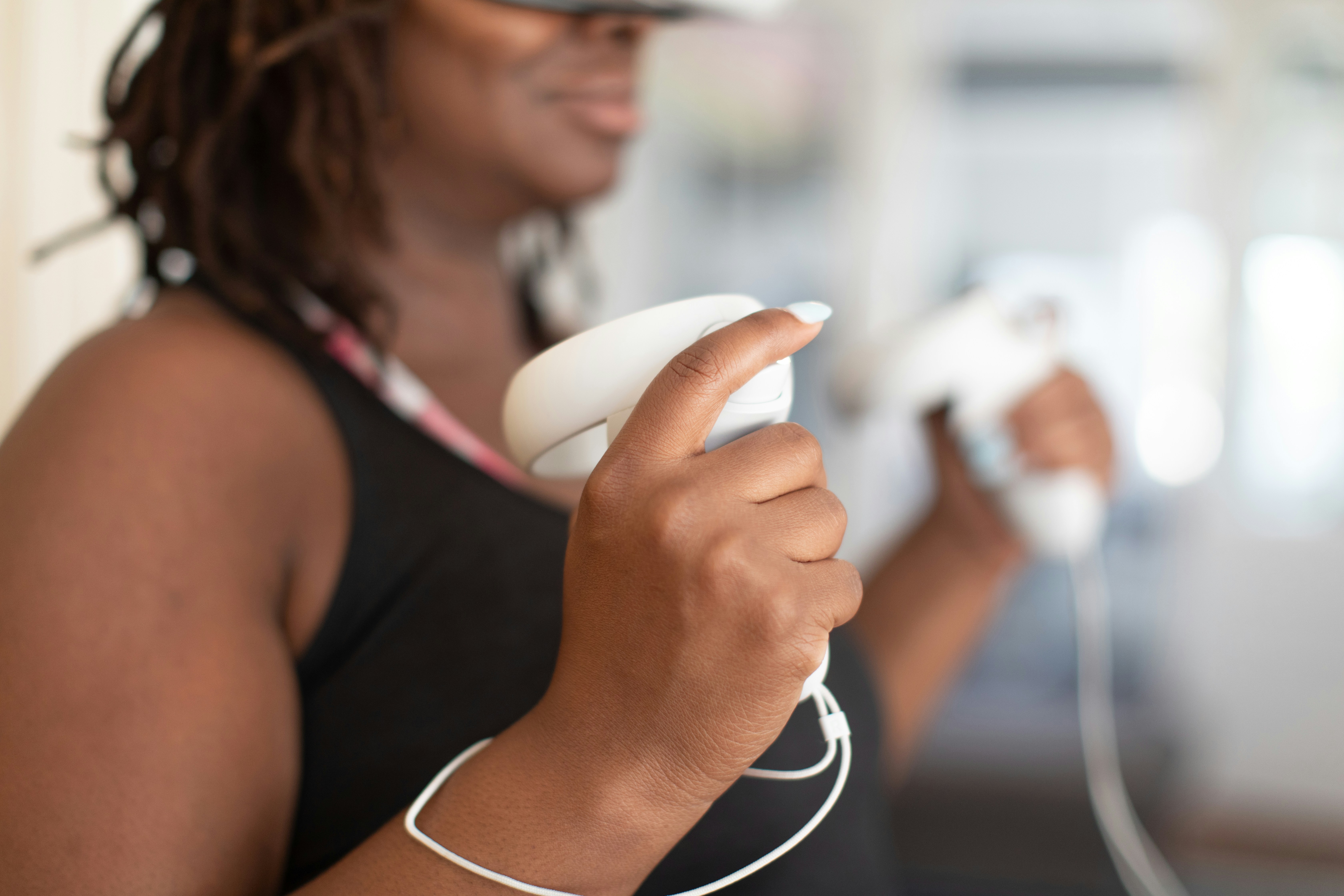
Many people find working out at home repetitive and struggle to stay focused. Introducing game consoles built for fitness brings new excitement and energy to any living...
Aug 26, 2026

Group sessions that link everyday financial choices to personal wellness often lead to meaningful improvements. When you set clear intentions from the start, you help...
Aug 19, 2026
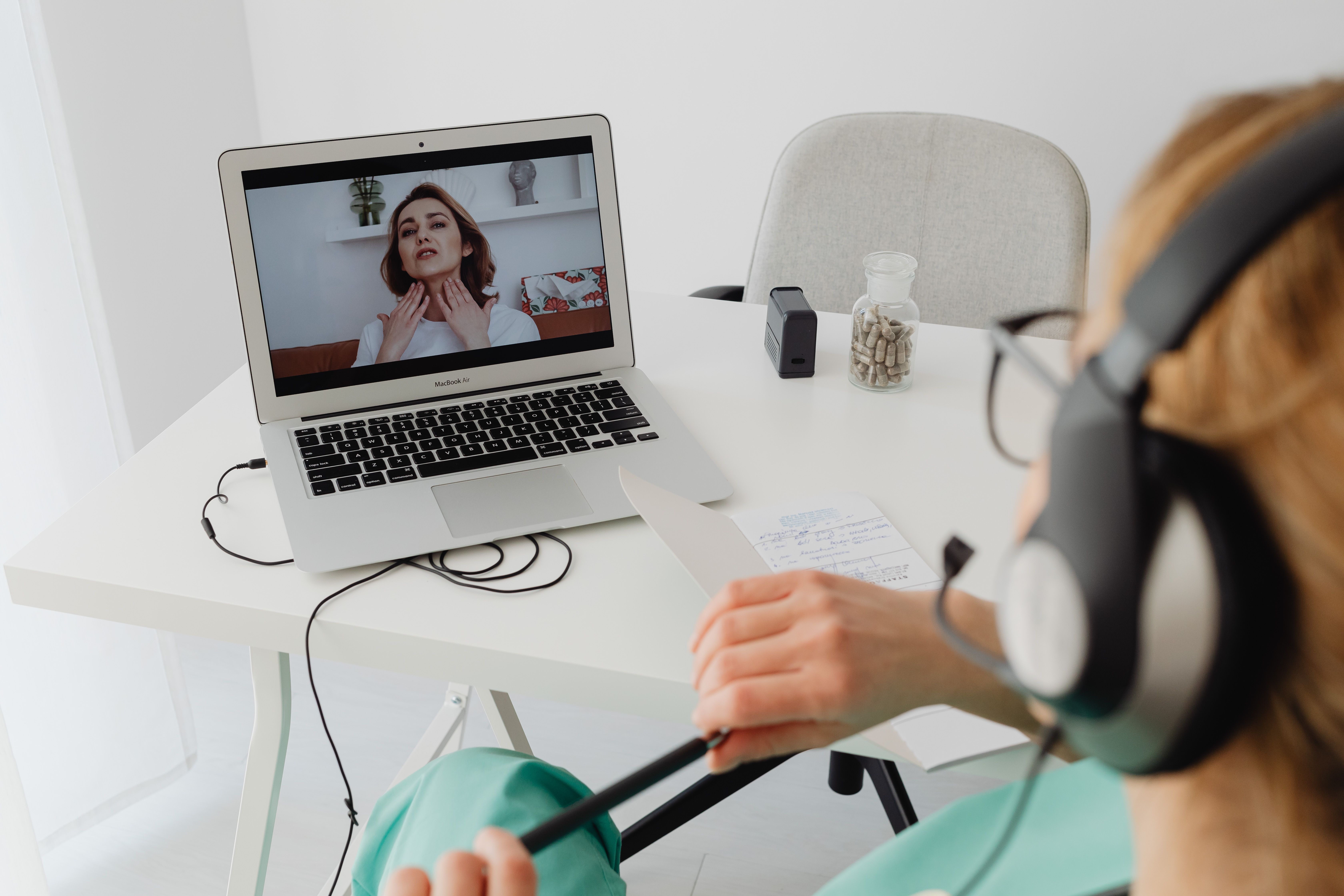
Many people find that virtual doctor appointments make healthcare more convenient while still delivering precise results. With a dependable internet connection, some...
Jul 29, 2026

Adults discover healthier routines through nature-based learning workshops that blend outdoor activities with practical lessons. These workshops invite participants to...
Jul 21, 2026

Open and honest conversations lay the groundwork for meaningful relationships. When we truly listen and speak from the heart, we create space for growth, trust, and...
Jul 10, 2026

Gentle movement routines offer noticeable benefits as bodies adapt and age. Practicing basic exercises helps reduce joint stiffness, improve muscle strength, and...
May 27, 2026
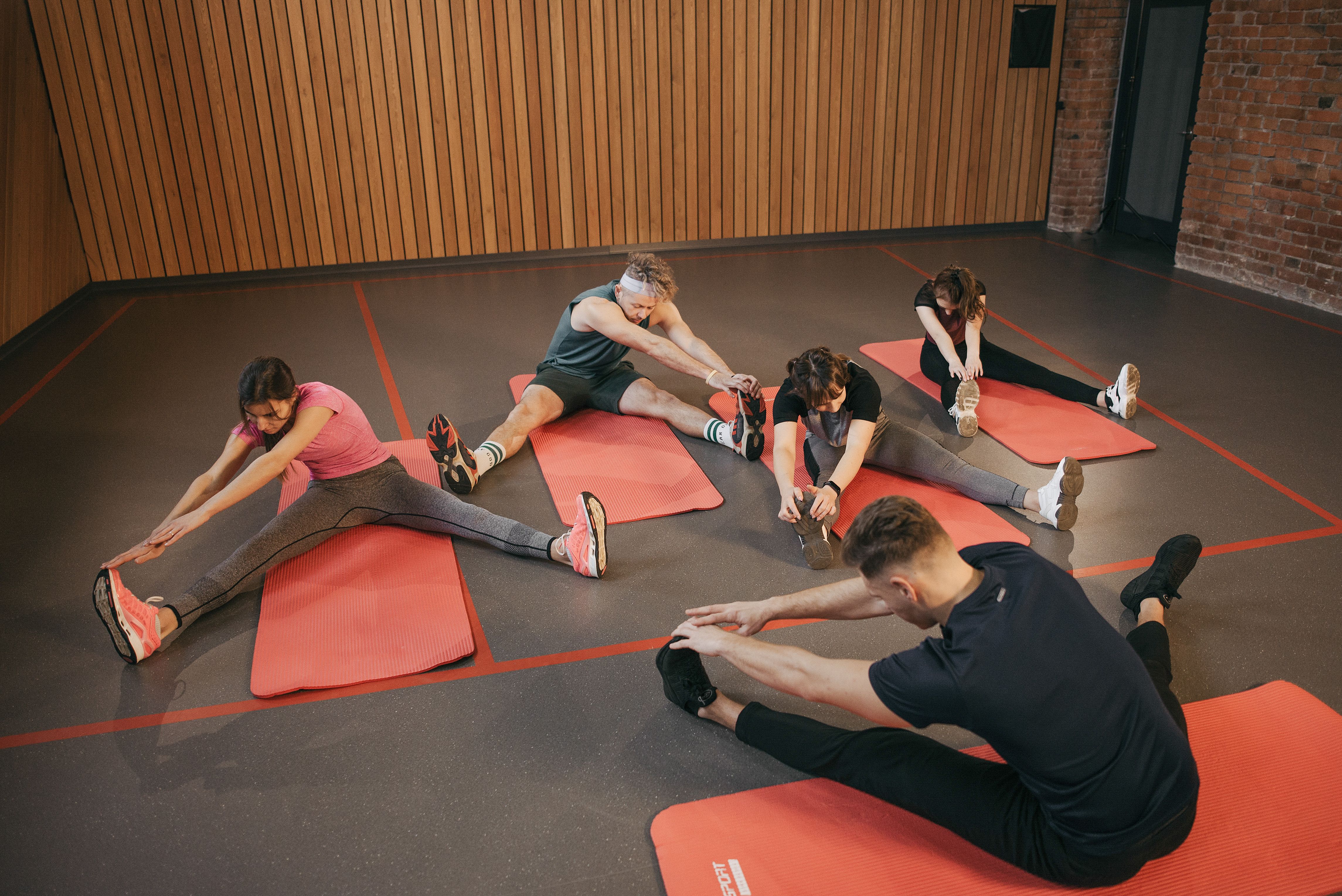
Joining group workouts brings a buzz of excitement as everyone pursues shared goals and enjoys a bit of friendly competition. Each weekly session encourages you to push...
Jul 01, 2026

Understanding emotional intelligence shapes the way we recognize and respond to our own feelings while connecting with others. Workshops focused on this subject break...
Jun 02, 2026

Many people look for ways to better understand their health and make informed choices. Using online health risk assessments offers a simple and convenient way to spot...
Jun 21, 2026

Quality sleep lays the foundation for feeling energized, staying in a good mood, and maintaining sharp focus throughout the day. By making a few straightforward changes...
Jun 28, 2026

Every day brings new challenges, whether you are balancing work projects, caring for loved ones, or pursuing your own ambitions. Surprises often appear when you least...
Jul 05, 2026

Small, consistent changes in your daily routine can support your health for years to come. Eating a variety of whole foods, staying active, and finding ways to manage...
May 19, 2026

Writing in a journal offers a practical way to bridge the gap between organizing your future plans and understanding past experiences. With a pen in hand or a digital...
Aug 16, 2026