How to Use Emotional Intelligence Workshops for Better Relationship Skills
Jun 02, 2026


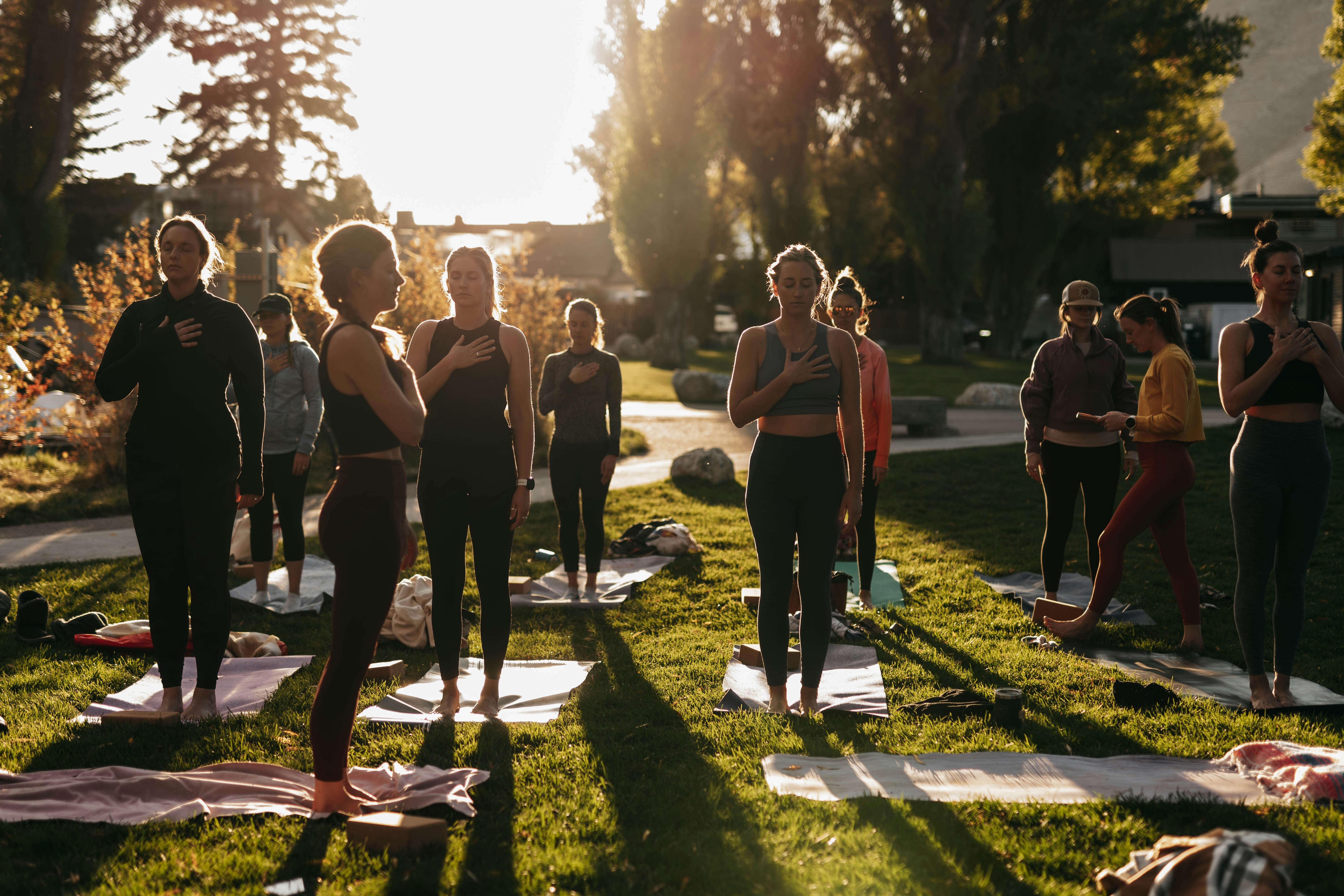
Understanding how emotions shape everyday decisions lays a strong foundation for emotional insight. Interactive workshops encourage people to pay attention to the signals they and others give off, allowing everyone to recognize subtle shifts in mood and intent. By sharing personal experiences, participants start to notice recurring patterns in how they react and respond to different situations. As they become more aware of these patterns, they find themselves better equipped to handle challenging moments and make thoughtful choices even when under pressure. This kind of practice creates a supportive space where self-awareness and empathy can grow through honest discussion and reflection.
Hands-on formats beat lectures. Small group activities spark honest dialogue about frustration, joy, and doubt. Mixing personal reflection with partner exercises keeps energy high. This blend of talk and action cements new habits faster than passive listening.
Each skill supports the next. Strong self-awareness guides better self-regulation. Empathetic listening strengthens relationships. Clear goals sharpen motivation, creating a positive cycle.
These steps generate immediate insights and keep participants engaged. They combine speaking, listening, drawing and writing for a full sensory experience.
Begin by setting clear goals. Decide whether you want to improve listening skills, manage stress or build empathy. Limit each session to two objectives to prevent overload. A focused agenda ensures participants leave with tangible takeaways.
Next, select activities that align with those goals. If self-regulation ranks high, plan breathing drills or guided pauses. For empathy, include storytelling circles. Mix high-energy tasks with quiet reflection. This variety keeps interest high and caters to different learning styles.
Integrate these drills into daily routines for steady progress. Encourage participants to tag each other when they notice growth, turning skills into shared successes.
Use simple metrics. Ask attendees to rate their impulse control on a scale from 1 to 5 after each session. Track shifts over four weeks. Seeing a jump from 2 to 4 encourages continued practice.
Collect feedback through quick surveys. Ask questions like “Which activity felt most useful?” and “Where did you encounter difficulties?” Then modify the next workshop to address weak spots. Patterns often highlight the need for extra practice in areas like emotional vocabulary or active listening.
Hands-on workshops create genuine change when their design, delivery and evaluation work together. By combining data, creative exercises and peer feedback, emotional skills develop steadily and last.
Effective sessions give participants practical tools and boost their confidence to manage emotions daily. They leave ready to apply what they've learned and make progress.

Gathering with others in a reading group opens up opportunities for connection and learning that go far beyond the pages of a book. You set clear intentions, discuss...
Jun 06, 2026
Fresh air and natural surroundings can make a noticeable difference in how you feel. Spending time under a leafy canopy helps reduce stress and brings clarity to your...
Jun 10, 2026
Picking up a new language challenges your mind and brings a sense of excitement to everyday life. As you learn fresh vocabulary and try out unfamiliar sounds, your brain...
Jul 14, 2026

Open and honest conversations lay the groundwork for meaningful relationships. When we truly listen and speak from the heart, we create space for growth, trust, and...
Jul 10, 2026

Many people wake up searching for motivation and clarity to start their day with purpose. Joining a structured online challenge can provide the support you need to build...
May 12, 2026

Building stronger focus begins with simple daily habits that fit easily into your routine. Every exercise included here works a unique aspect of your concentration,...
Apr 25, 2026
Gentle movement routines offer noticeable benefits as bodies adapt and age. Practicing basic exercises helps reduce joint stiffness, improve muscle strength, and...
May 27, 2026
Each morning brings the chance to look forward to an energizing workout. You reach for your shoes and make your way to a vibrant class where friendly faces welcome you...
Apr 18, 2026

Group-based online wellness challenges bring people together through shared goals and mutual encouragement. By joining a team, participants set targets as a group and...
Apr 11, 2026

Creating a routine that supports your body, mind, and spirit involves thoughtful planning and dedication. Begin by recognizing what you truly need, then decide on...
May 23, 2026

Joining an online fitness hub opens the door to a community that celebrates your achievements, shares helpful advice, and supports your journey every step of the way....
Jun 15, 2026
Learning something new brings excitement and motivation to daily routines. Gaining fresh knowledge sharpens concentration and provides a rewarding sense of...
Mar 31, 2026

Saying “no” can feel uncomfortable, especially when others overlook your boundaries. You might find yourself agreeing to requests at work or home just to avoid seeming...
Apr 25, 2026

Persistent pain disrupts routines and often leaves people feeling exhausted and discouraged. Even minor adjustments in pain management can create noticeable positive...
Apr 22, 2026