
The Best Restorative Exercises for Supporting Healthy Aging
May 27, 2026


Daily aches and stiffness often interrupt routines, making even simple tasks feel challenging. Lingering soreness after sitting for long periods or waking up with tight muscles can disrupt your comfort and productivity. Quick solutions such as over-the-counter medication may dull symptoms, but they rarely address the underlying issues causing pain. Through restorative exercise, you can identify muscle imbalances and correct faulty movement patterns at their source. With consistent effort over time, this approach helps you regain strength and feel more at ease in your body, paving the way for lasting relief and improved mobility in everyday life.
This guide shows how you can identify the root of your pain. It provides clear steps to include hands-on stretches, mobility drills, and low-impact routines. You learn to adjust intensity, monitor progress, and avoid common mistakes. By the end, you will have tools that provide lasting relief without endless visits to specialists.
Many cases of chronic pain begin with slight changes in posture or overuse of certain muscles. A dropped shoulder, a tilted pelvis, or a forward head position can put uneven stress on joints. Small imbalances grow into persistent aches in the back, neck, or hips.
Stress and sleep patterns influence our pain levels. When your body remains tense, you may guard against movement. That guarding increases muscle tone and stiffens ligaments. Restorative exercise works by reversing these patterns. It resets your system by combining gentle movement, mindful breathing, and targeted holds.
Monitoring your recovery provides clarity. Use a simple spreadsheet or a free app. Create columns for date, exercise type, repetitions, hold time, and pain rating. Studies show 68% of people stick to routines when they see their own data improving.
As pain lessens and mobility improves, challenge yourself. Add five seconds to holds each week. Or increase repetitions by two each session. If pain spikes above a level of 4 out of 10, reduce to previous settings and focus on proper form. Gradual adjustments help avoid setbacks.
Restorative exercise helps you prevent pain and build a resilient body by strengthening weak links. Begin today, track your progress, and reduce aches over time.

Building stronger focus begins with simple daily habits that fit easily into your routine. Every exercise included here works a unique aspect of your concentration,...
Apr 25, 2026
Many people wake up searching for motivation and clarity to start their day with purpose. Joining a structured online challenge can provide the support you need to build...
May 12, 2026
Each morning brings the chance to look forward to an energizing workout. You reach for your shoes and make your way to a vibrant class where friendly faces welcome you...
Apr 18, 2026
Joining group workouts brings a buzz of excitement as everyone pursues shared goals and enjoys a bit of friendly competition. Each weekly session encourages you to push...
Jul 01, 2026

Small, consistent changes in your daily routine can support your health for years to come. Eating a variety of whole foods, staying active, and finding ways to manage...
May 19, 2026

Learning something new brings excitement and motivation to daily routines. Gaining fresh knowledge sharpens concentration and provides a rewarding sense of...
Mar 31, 2026
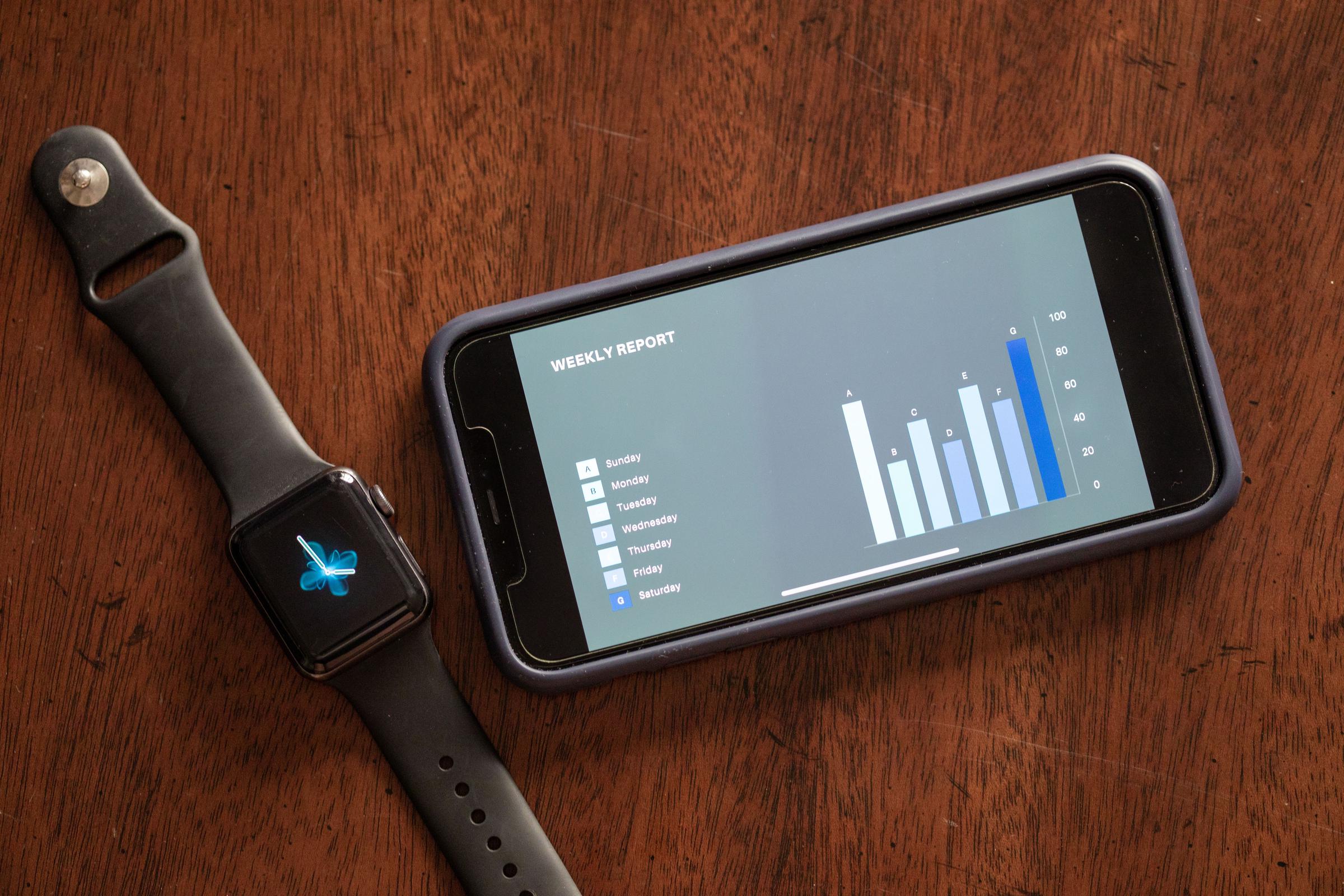
Building consistent routines becomes much easier with the support of habit tracking apps. These tools allow you to select a goal, record your actions each day, and...
Jun 24, 2026

Restful sleep plays a crucial role in strengthening your memory and improving your ability to grasp new concepts. When you enjoy a full night of deep sleep, your brain...
May 02, 2026

Joining an online fitness hub opens the door to a community that celebrates your achievements, shares helpful advice, and supports your journey every step of the way....
Jun 15, 2026

Understanding emotional intelligence shapes the way we recognize and respond to our own feelings while connecting with others. Workshops focused on this subject break...
Jun 02, 2026
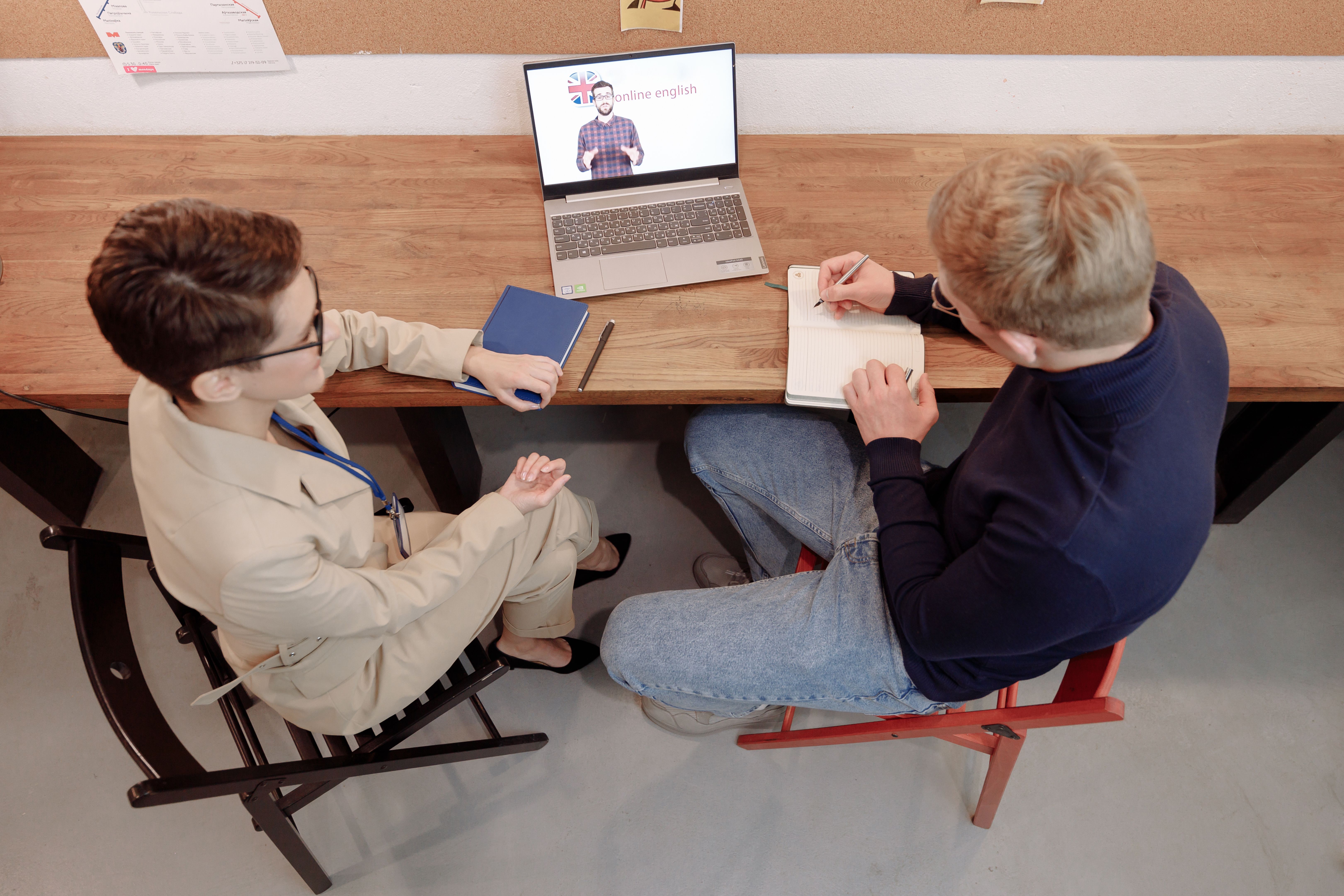
Picking up a new language challenges your mind and brings a sense of excitement to everyday life. As you learn fresh vocabulary and try out unfamiliar sounds, your brain...
Jul 14, 2026

Understanding how emotions shape everyday decisions lays a strong foundation for emotional insight. Interactive workshops encourage people to pay attention to the...
Mar 27, 2026

Creating a routine that supports your body, mind, and spirit involves thoughtful planning and dedication. Begin by recognizing what you truly need, then decide on...
May 23, 2026

Group-based online wellness challenges bring people together through shared goals and mutual encouragement. By joining a team, participants set targets as a group and...
Apr 11, 2026