How to Use Biofeedback Devices for Personalized Stress Relief
May 07, 2026


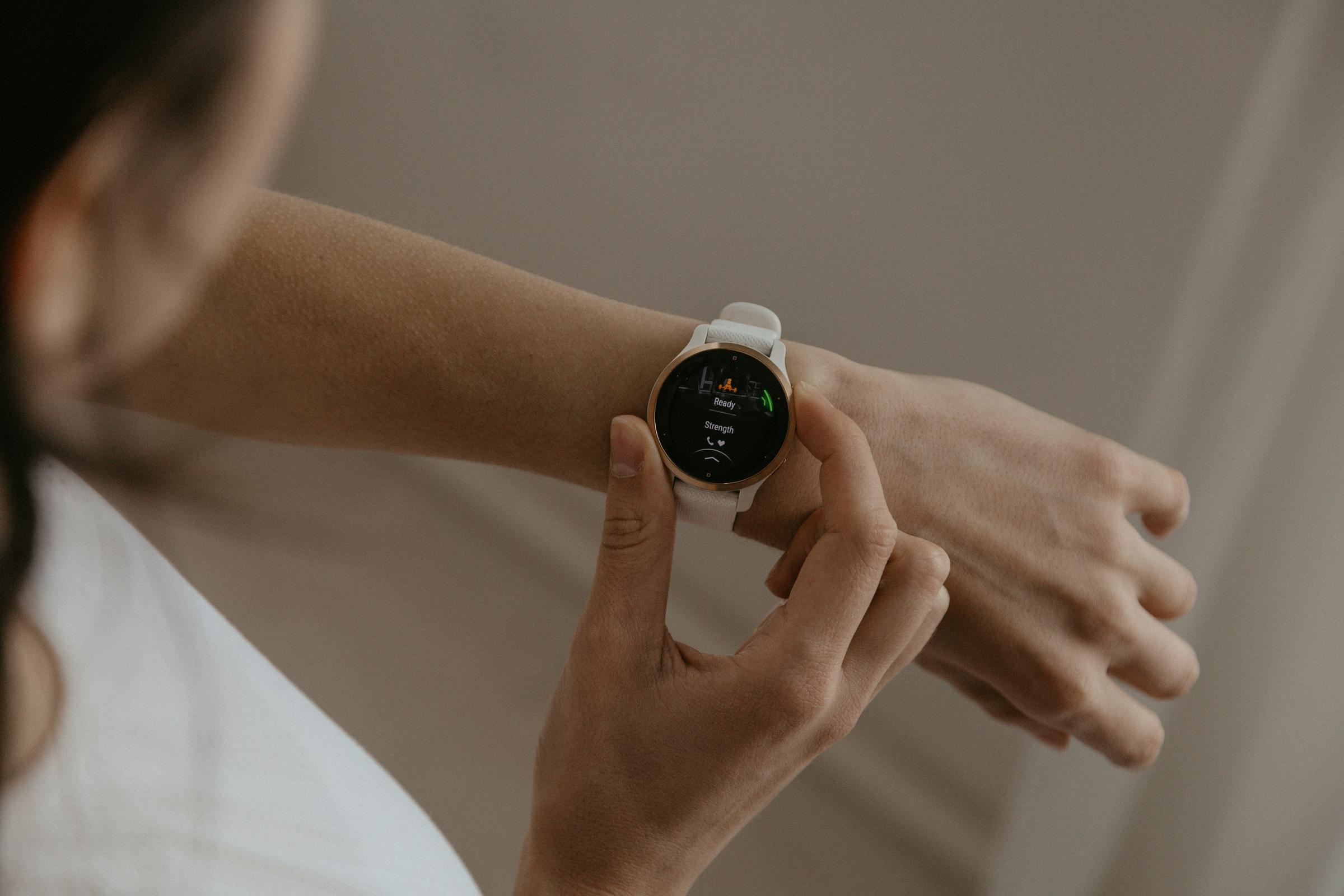
Monitoring your sleep reveals important details about the quality of your rest and how it affects your energy each day. Using a device that measures heart rate, breathing rate, and movement turns guesswork into clear information you can use. With these insights, you gain the ability to adjust your nighttime habits or spot recurring problems that might be disrupting your sleep. This practical approach helps you make choices that support better rest and improved well-being, allowing you to wake up feeling more refreshed and ready for what the day brings.
Selecting the right sleep monitor requires comparing key features with your lifestyle. You want accuracy without discomfort, clear insights without technical jargon, and battery life that lasts until morning. This guide explores five top features and provides real-life examples to assist you in choosing a device that truly fits your needs.
For example, Julia wore an Oura ring last month and noticed it flagged frequent breathing irregularities. She shared that insight with her doctor, who then recommended a follow-up test. Without that precise data, those irregularities might have gone unnoticed.
Devices that combine multiple sensor types tend to produce the clearest picture. A single heart rate reading can suggest stress, but combining it with movement and breathing data confirms whether you truly woke up or just shifted positions. Check reviews for clinical validation and third-party studies before trusting sensor claims.
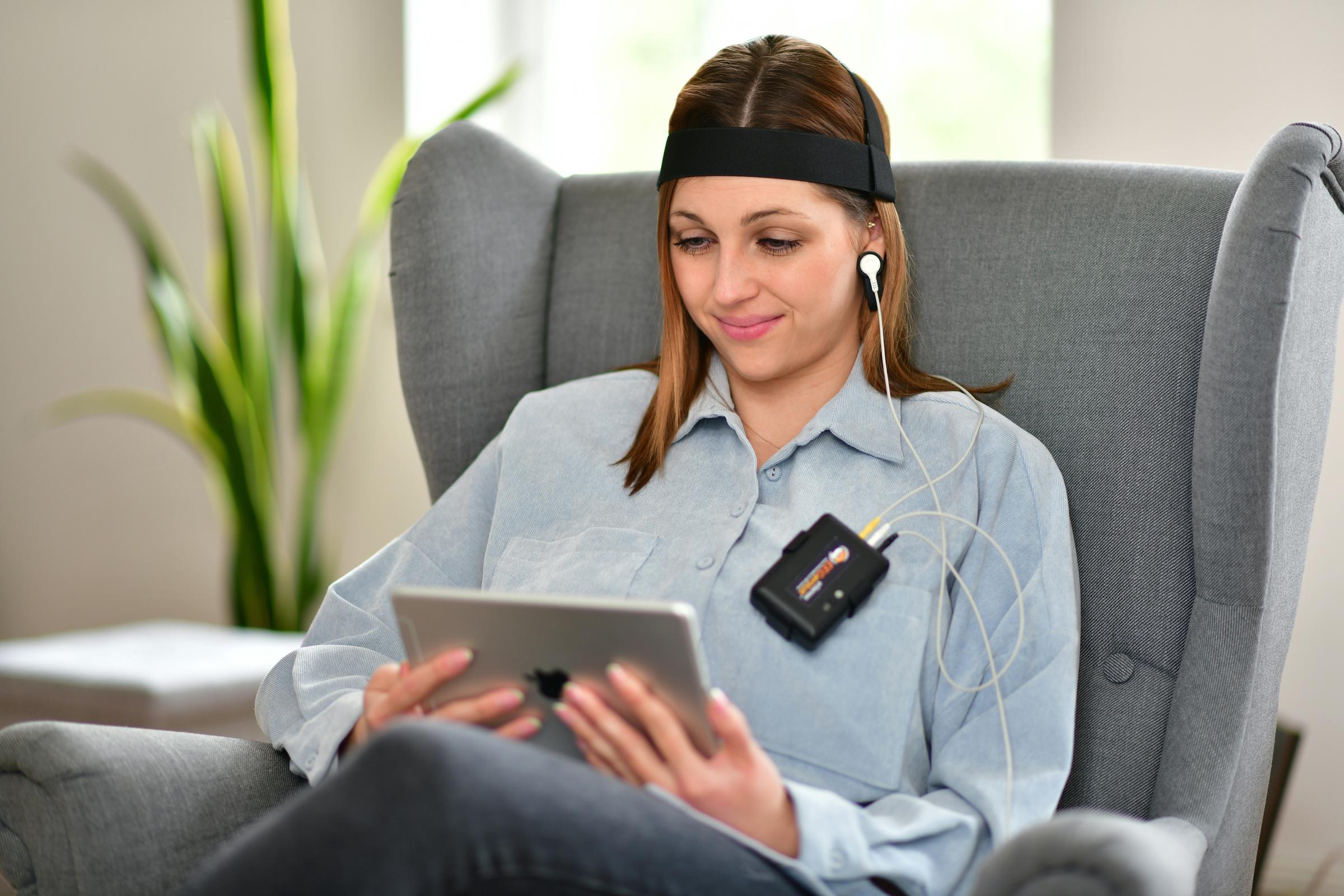
Mark tested a headband monitor for two weeks. He found its snug fit helpful on restless nights but switched to a ring during business trips. That ring allowed him to pack light and still track sleep stages well enough to recognize jet lag patterns.
Try each option for several nights before making a final decision. A device that deeply analyzes your sleep cycles is useless if you remove it at 2 a.m. because of discomfort. Look for models with flexible bands or adjustable sizes to fit your wrist or finger.
Raw data only holds value if you can interpret it. Seek a platform that converts numbers into clear charts and actionable recommendations. Visual graphs enable you to monitor sleep duration and quality trends over weeks or months.
Look for features like personalized tips based on your patterns. For example, if the app detects low deep sleep percentages, it might recommend a consistent bedtime routine or reducing caffeine intake after 2 p.m. That kind of tailored advice helps you stay on track without feeling overwhelmed.
Carla used a wristband that needed nightly charging. She often plugged it in too late and woke up to a dead device at 6 a.m. She switched to a ring that offers six nights of battery life. Now she charges it once during the weekend and wakes up to complete data every morning.
Ensure your phone supports the device’s connectivity standards. Older phones may struggle with Bluetooth 5.0, causing delays in data transfer. Seamless syncing prevents gaps in your sleep records.
Some monitors include smart alarms that wake you during light sleep within a chosen window. That gentle vibration can leave you feeling more refreshed than a loud alarm during deep sleep. Look for devices with vibration or soft-tone alarms that won’t disturb a partner.
Connecting with other health platforms can add value. If your monitor shares data with fitness apps or digital calendars, you can view sleep scores alongside workout intensity or meal timing. Seeing these connections might reveal how evening workouts influence sleep quality.
Comparing features across models saves time and money. A device promising advanced features but lacking clear reports won’t serve you well over time. Focus on features that match your habits, whether that’s extended battery life, wireless sync, or smart alarms.
Select a sleep monitor like *SleepWell* that offers comfort and precise data. Regularly track your sleep, adjust accordingly, and enjoy more energized mornings.

Selecting a health risk tool that matches your unique lifestyle and personal goals gives you the opportunity to improve your well-being with confidence. The most...
Sep 04, 2026

Writing in a journal offers a practical way to bridge the gap between organizing your future plans and understanding past experiences. With a pen in hand or a digital...
Aug 16, 2026
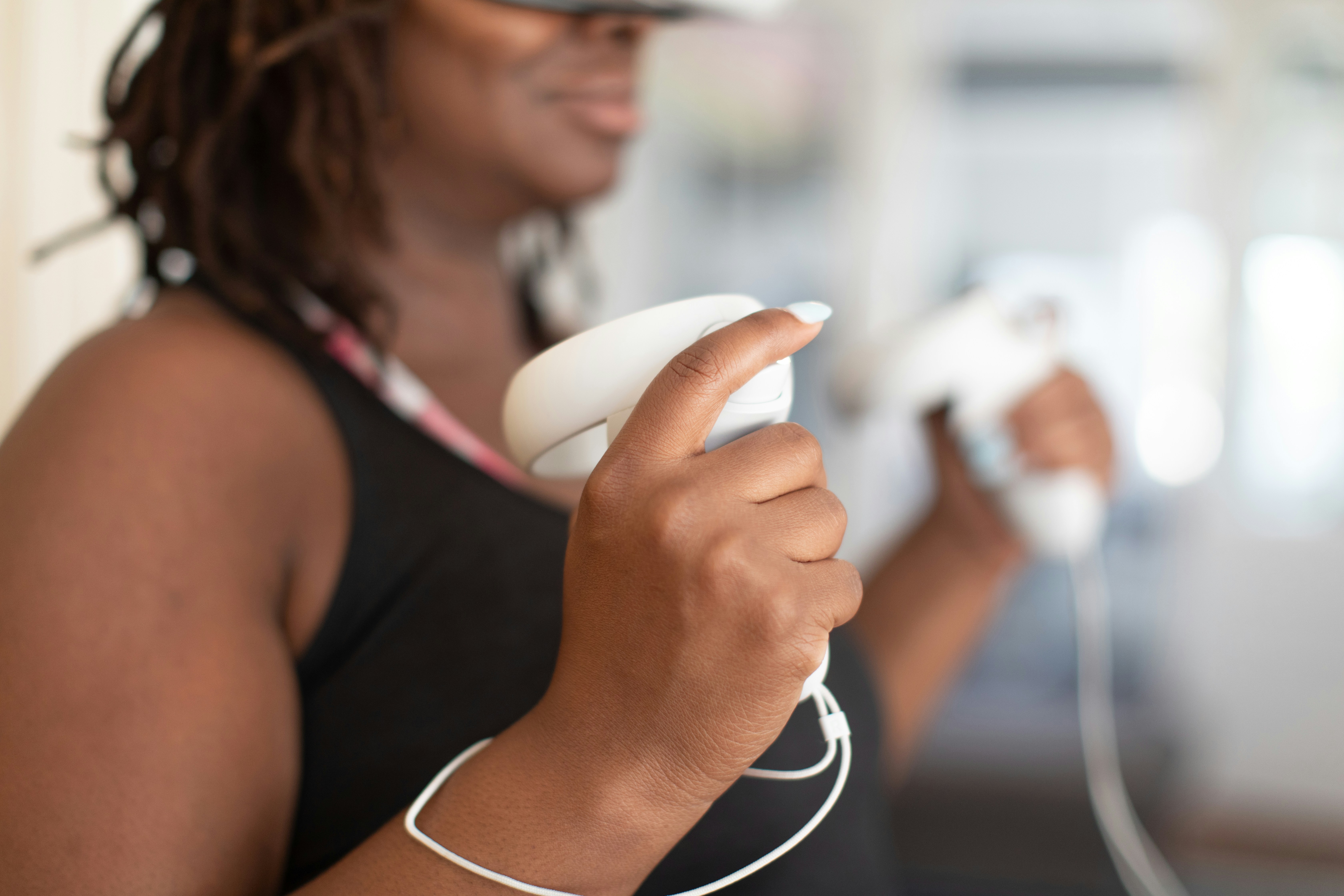
Many people find working out at home repetitive and struggle to stay focused. Introducing game consoles built for fitness brings new excitement and energy to any living...
Aug 26, 2026
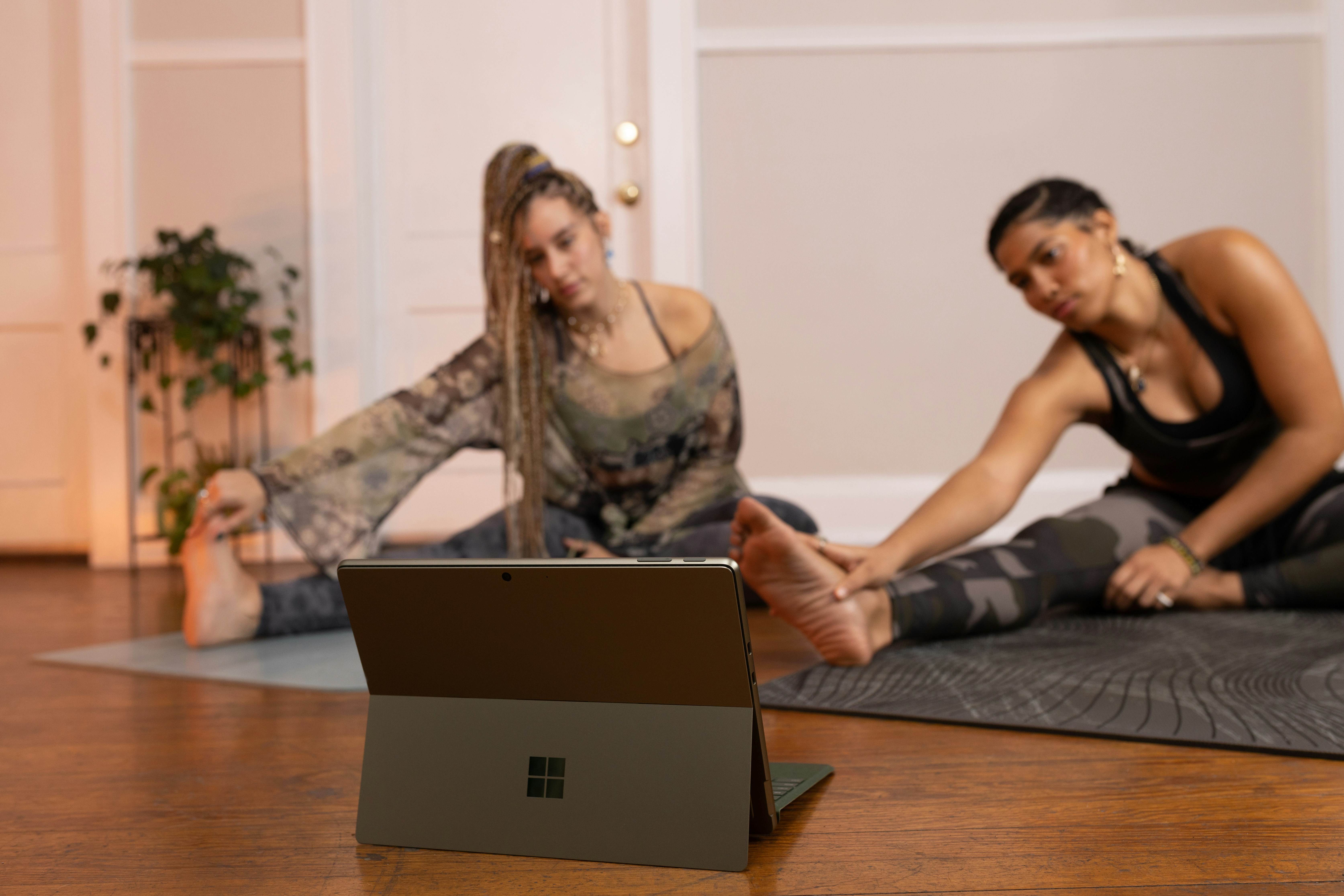
Many people wake up searching for motivation and clarity to start their day with purpose. Joining a structured online challenge can provide the support you need to build...
May 12, 2026
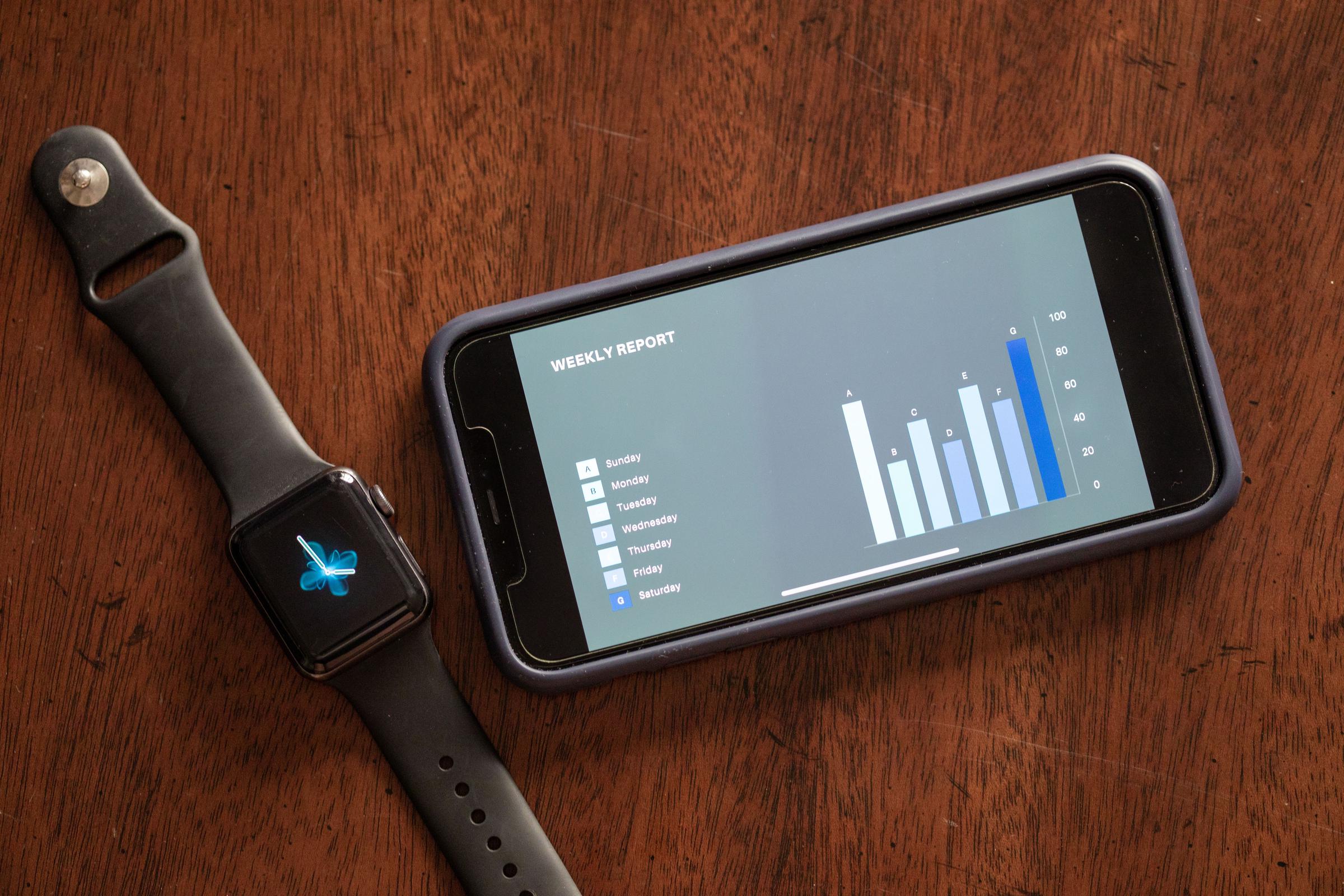
Building consistent routines becomes much easier with the support of habit tracking apps. These tools allow you to select a goal, record your actions each day, and...
Jun 24, 2026
Quality sleep lays the foundation for feeling energized, staying in a good mood, and maintaining sharp focus throughout the day. By making a few straightforward changes...
Jun 28, 2026
Many people find that virtual doctor appointments make healthcare more convenient while still delivering precise results. With a dependable internet connection, some...
Jul 29, 2026

Good immune health often starts with the everyday foods you prepare and enjoy at home. You can support your body’s natural defenses without reaching for specialty...
Aug 05, 2026

Fresh air and natural surroundings can make a noticeable difference in how you feel. Spending time under a leafy canopy helps reduce stress and brings clarity to your...
Jun 10, 2026

Group sessions that link everyday financial choices to personal wellness often lead to meaningful improvements. When you set clear intentions from the start, you help...
Aug 19, 2026

Preparing meals often means balancing nutrition, reducing food waste, and sticking to a budget, all while managing a busy schedule. Many people find it difficult to keep...
Aug 02, 2026

Strong memory and consistent concentration build on more than determination alone. Studies highlight that specific nutrients and brain-training activities play a key...
Aug 22, 2026
Creating a routine that supports your body, mind, and spirit involves thoughtful planning and dedication. Begin by recognizing what you truly need, then decide on...
May 23, 2026

Every day brings new challenges, whether you are balancing work projects, caring for loved ones, or pursuing your own ambitions. Surprises often appear when you least...
Jul 05, 2026