How to Create a Balanced Self-Care Plan That Actually Works
May 23, 2026


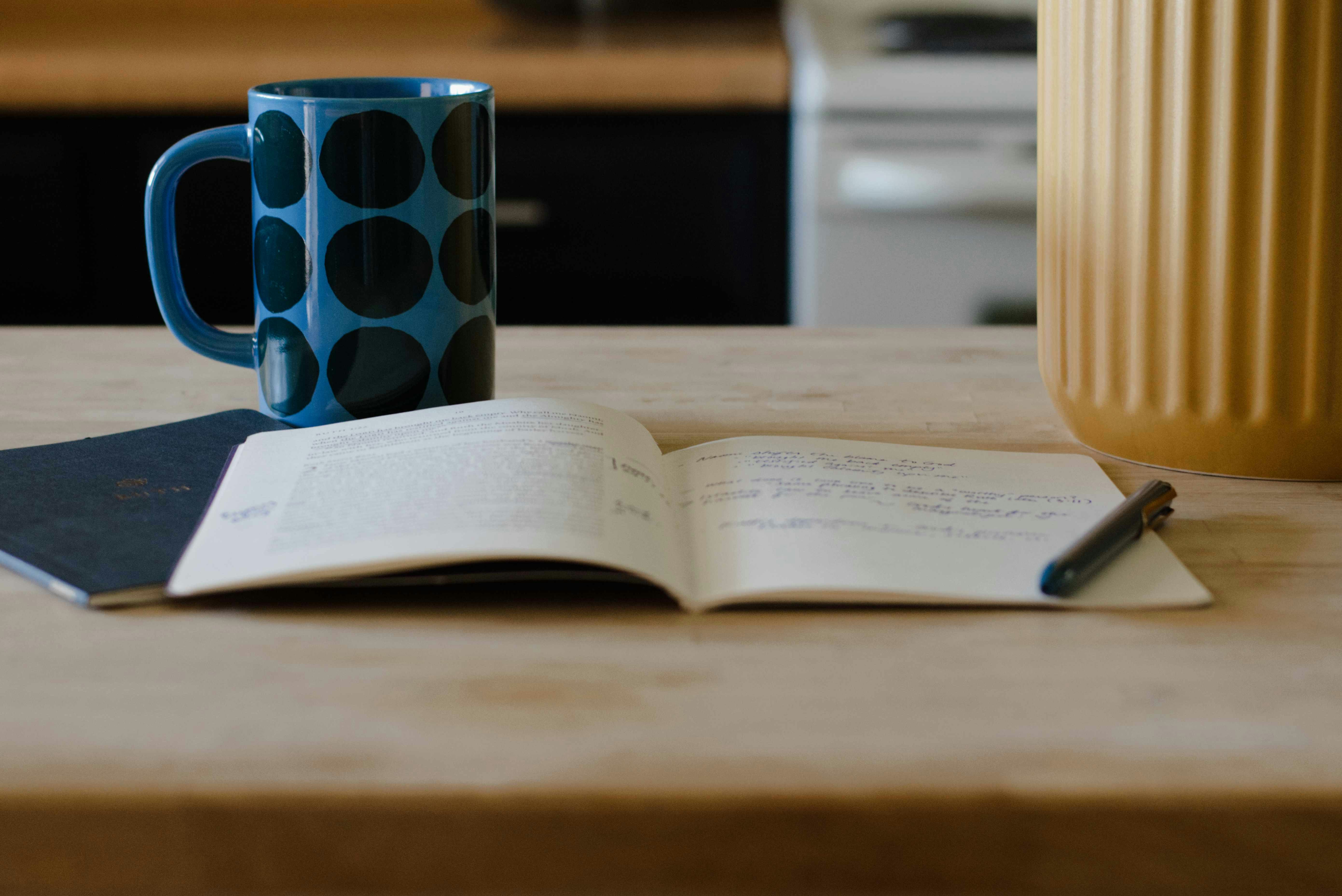
Writing in a journal offers a practical way to bridge the gap between organizing your future plans and understanding past experiences. With a pen in hand or a digital journal open, you can sort through daily thoughts and turn them into actionable ideas. As you keep up this routine, you start to spot recurring themes, monitor your emotional ups and downs, and become more aware of your daily habits. Over time, these insights can help you adjust your routines and support your well-being. This guide introduces five unique journaling methods designed to help every entry serve as a useful resource for self-discovery and personal progress.
In one case, Maria aimed to reduce her sugar intake. She wrote “no soda” as her main target, then listed alternatives: sparkling water, herbal tea, or fruit-infused water. After two weeks, she felt more energetic and used her journal to note her mood each evening. Tracking that mood boost kept her writing daily for a full month.
Clear goals help you focus and turn vague desires into actionable steps. When you write them down, you create a roadmap to revisit and update. Each checkmark or note builds momentum and helps form habits.
Jason tried a 30-day prompt challenge, starting with “What small win can I celebrate today?” By day eight, he realized his walk around the block boosted his focus more than extra coffee. He swapped afternoon caffeine for that walk and tracked the clarity he gained. Summarizing these notes every Sunday gave him a clear sense of weekly habits.
Prompts help because they guide your mind toward meaningful questions. Over time, you gather a personal database of insights. Review these answers monthly to fine-tune routines and maintain steady progress.
Lisa used a simple grid to track her sleep duration and sugar cravings over two months. She colored days with eight-plus hours of rest in green and marked sugar days with red. This visual helped her adjust evening routines and introduce a no-electronics rule an hour before bed. Within three weeks, she saw her green days increase from 40% to 70% of the month.
Numbers on a chart communicate a lot. When you scan a page of colored boxes, you immediately spot weak spots. Then you act: change meal times, rearrange workouts or switch up bedtime rituals. That quick feedback loop helps you improve steadily.
Mix sketches, mind maps or collage pages into your writing. Visuals assist you in processing thoughts and noticing connections that words might miss. For example, draw a daily “mood meter” with a smiley face sliding on a spectrum from low to high energy.
Sara sketched her feelings each evening, using color and shape to express stress, calm or excitement. Over a month, she noticed more blue and green shapes on weeks she exercised five times. That insight strengthened her commitment. She now spends five minutes doodling at lunch to gauge her midday focus.
Consistency depends on habit triggers and social checks. Link journaling to an existing habit: write right after breakfast or before your evening tea. The cue reminds you to open your notebook or app.
Invite a friend to join you. Share weekly snapshots or exchange progress notes. Even a quick “I wrote today!” message fuels your motivation. In one study, accountability partners doubled their journaling rate compared to those who wrote alone. If you prefer privacy, set a reminder on your phone instead.
These five approaches help you understand yourself better. Use one or combine them to gain insight into your body, mind, and daily choices that affect your well-being.

Many people look for ways to better understand their health and make informed choices. Using online health risk assessments offers a simple and convenient way to spot...
Jun 21, 2026

Building stronger focus begins with simple daily habits that fit easily into your routine. Every exercise included here works a unique aspect of your concentration,...
Apr 25, 2026

Joining an online fitness hub opens the door to a community that celebrates your achievements, shares helpful advice, and supports your journey every step of the way....
Jun 15, 2026

Fresh air and natural surroundings can make a noticeable difference in how you feel. Spending time under a leafy canopy helps reduce stress and brings clarity to your...
Jun 10, 2026
Keeping up with food intake and water levels often feels overwhelming, but five innovative wearable devices now simplify the process. These tools gather your daily data...
Jul 24, 2026

Managing the expectations of your job alongside personal responsibilities influences your overall sense of well-being each day. Clearing mental clutter becomes easier...
Aug 12, 2026

Small, consistent changes in your daily routine can support your health for years to come. Eating a variety of whole foods, staying active, and finding ways to manage...
May 19, 2026

Setting up a dedicated area for studying helps you draw a clear line between your academic work and everyday responsibilities. By choosing specific times and places for...
Apr 29, 2026

Adults discover healthier routines through nature-based learning workshops that blend outdoor activities with practical lessons. These workshops invite participants to...
Jul 21, 2026

Preparing meals often means balancing nutrition, reducing food waste, and sticking to a budget, all while managing a busy schedule. Many people find it difficult to keep...
Aug 02, 2026

Persistent pain disrupts routines and often leaves people feeling exhausted and discouraged. Even minor adjustments in pain management can create noticeable positive...
Apr 22, 2026
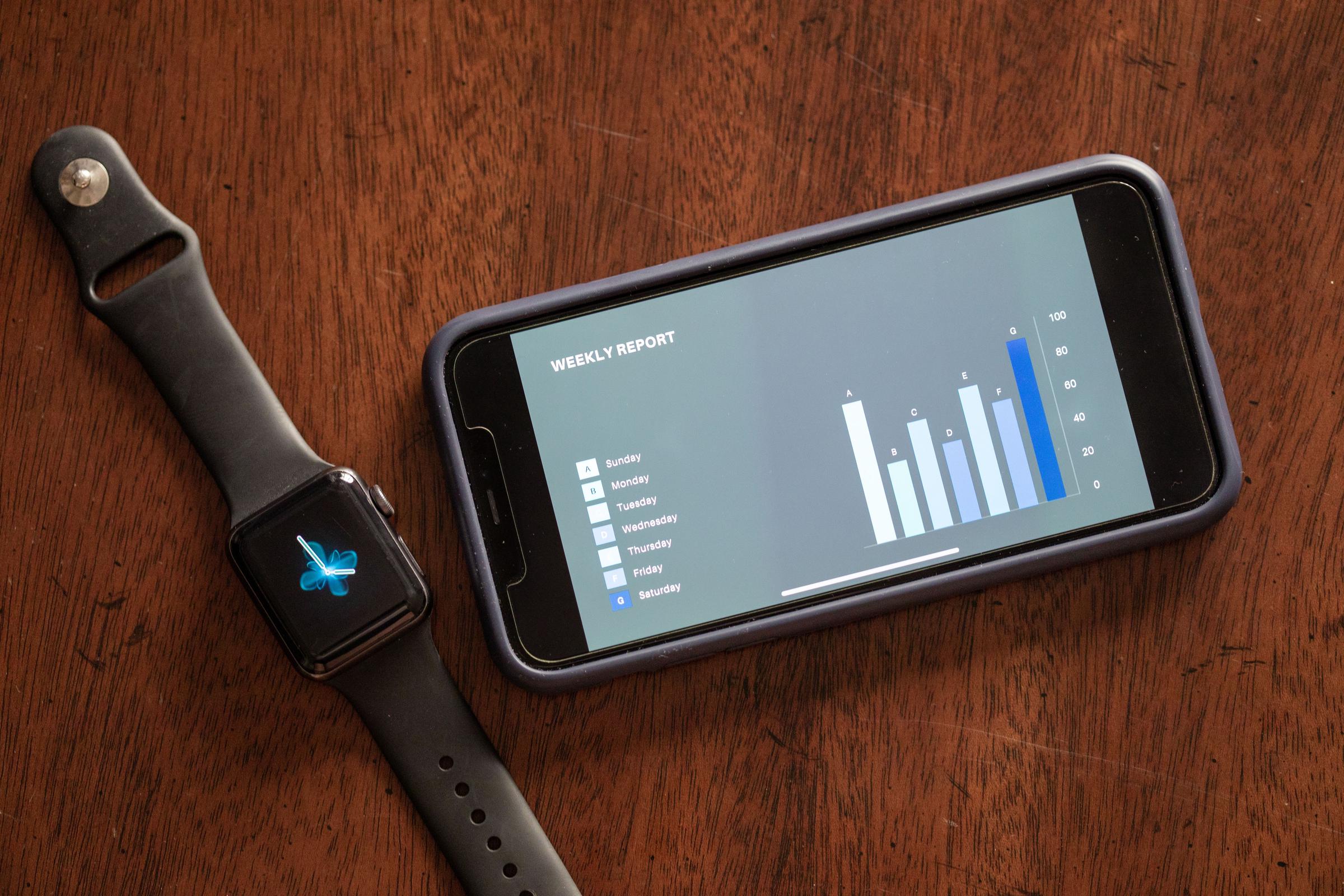
Building consistent routines becomes much easier with the support of habit tracking apps. These tools allow you to select a goal, record your actions each day, and...
Jun 24, 2026

Gathering with others in a reading group opens up opportunities for connection and learning that go far beyond the pages of a book. You set clear intentions, discuss...
Jun 06, 2026

Quality sleep lays the foundation for feeling energized, staying in a good mood, and maintaining sharp focus throughout the day. By making a few straightforward changes...
Jun 28, 2026