Best Online Wellness Challenges to Boost Daily Motivation
May 12, 2026


Managing the expectations of your job alongside personal responsibilities influences your overall sense of well-being each day. Clearing mental clutter becomes easier when you use practical methods that bring clarity to your routine. This guide introduces seven helpful approaches to organize your workload, protect your free time, and encourage better self-care. Each suggestion offers straightforward actions you can put into practice right away, making it easier to handle daily challenges and maintain a healthier balance between your career and personal life.
You’ll find concrete tips rooted in real practices. From sorting priorities to carving out time for rest, each approach aims to keep your energy up and stress levels down. Dive in and take control of your schedule.
Sorting tasks by impact helps you tackle what truly matters. Start each morning with a quick review of your to-do list to rank items by urgency and value. This method stops you from spinning your wheels on low-impact chores.
Following these steps gives you clarity on daily goals. Clearing small wins early builds momentum and makes larger projects feel more manageable.
Breaking goals into smaller chunks keeps progress steady. Instead of aiming to “finish the report,” commit to writing one section in 30 minutes. That goal feels achievable and gives you a clear endpoint.
Follow the SMART framework: Specific, Measurable, Attainable, Relevant, Time-bound. For example, “Draft two pages of the marketing plan by 11 a.m.” meets each criterion. This approach curbs procrastination and boosts confidence.
Defining clear limits between work and personal time protects your well-being. Use these rules as guardrails to keep stress in check and preserve downtime.
This structure prevents work from overflowing into evenings or weekends. When people respect your set hours, you gain more predictable personal time.
Simple habits can reset your mind and body throughout the day. Even brief pauses improve concentration and mood.
These small acts feel easy yet deliver big returns in focus and energy. When you treat your body right, your brain stays sharp for longer stretches of work.
Apps and systems help you plan and track your progress. For instance, *Evernote* works well for jotting down quick ideas, while *Trello* offers visual task boards that show progress at a glance.
*RescueTime* runs in the background to track which apps consume most of your day. Reviewing its weekly report helps you spot time leaks and adjust habits. Choose one tool, stick with it for a month, and measure your focus gains.
Schedule fixed blocks of uninterrupted work, often called the Pomodoro Technique, to keep your focus sharp. Set a timer for 25 minutes, then take a 5-minute break. After completing four cycles, reward yourself with a longer pause.
This rhythm exploits how our attention works. Short sprints push you to start tasks quickly, and regular breaks prevent burnout. Over time, you’ll notice your ability to dive into complex work improves.
Once a week, spend 15 minutes evaluating your progress. Note your wins, setbacks, and any patterns that drain your energy. This check-in helps you avoid repeating time-wasting habits.
Create two lists: one for actions to repeat next week and one for tasks to drop or delegate. Analyzing these keeps your routine fresh and aligned with what matters most to your health and career.
Tracking your performance and adjusting your routine helps you maintain balance. Each technique adds to your toolkit for managing responsibilities while caring for yourself.

Every day brings new challenges, whether you are balancing work projects, caring for loved ones, or pursuing your own ambitions. Surprises often appear when you least...
Jul 05, 2026

Restful sleep plays a crucial role in strengthening your memory and improving your ability to grasp new concepts. When you enjoy a full night of deep sleep, your brain...
May 02, 2026
Joining an online fitness hub opens the door to a community that celebrates your achievements, shares helpful advice, and supports your journey every step of the way....
Jun 15, 2026
Picking up a new language challenges your mind and brings a sense of excitement to everyday life. As you learn fresh vocabulary and try out unfamiliar sounds, your brain...
Jul 14, 2026

Saying “no” can feel uncomfortable, especially when others overlook your boundaries. You might find yourself agreeing to requests at work or home just to avoid seeming...
Apr 25, 2026

Building stronger focus begins with simple daily habits that fit easily into your routine. Every exercise included here works a unique aspect of your concentration,...
Apr 25, 2026
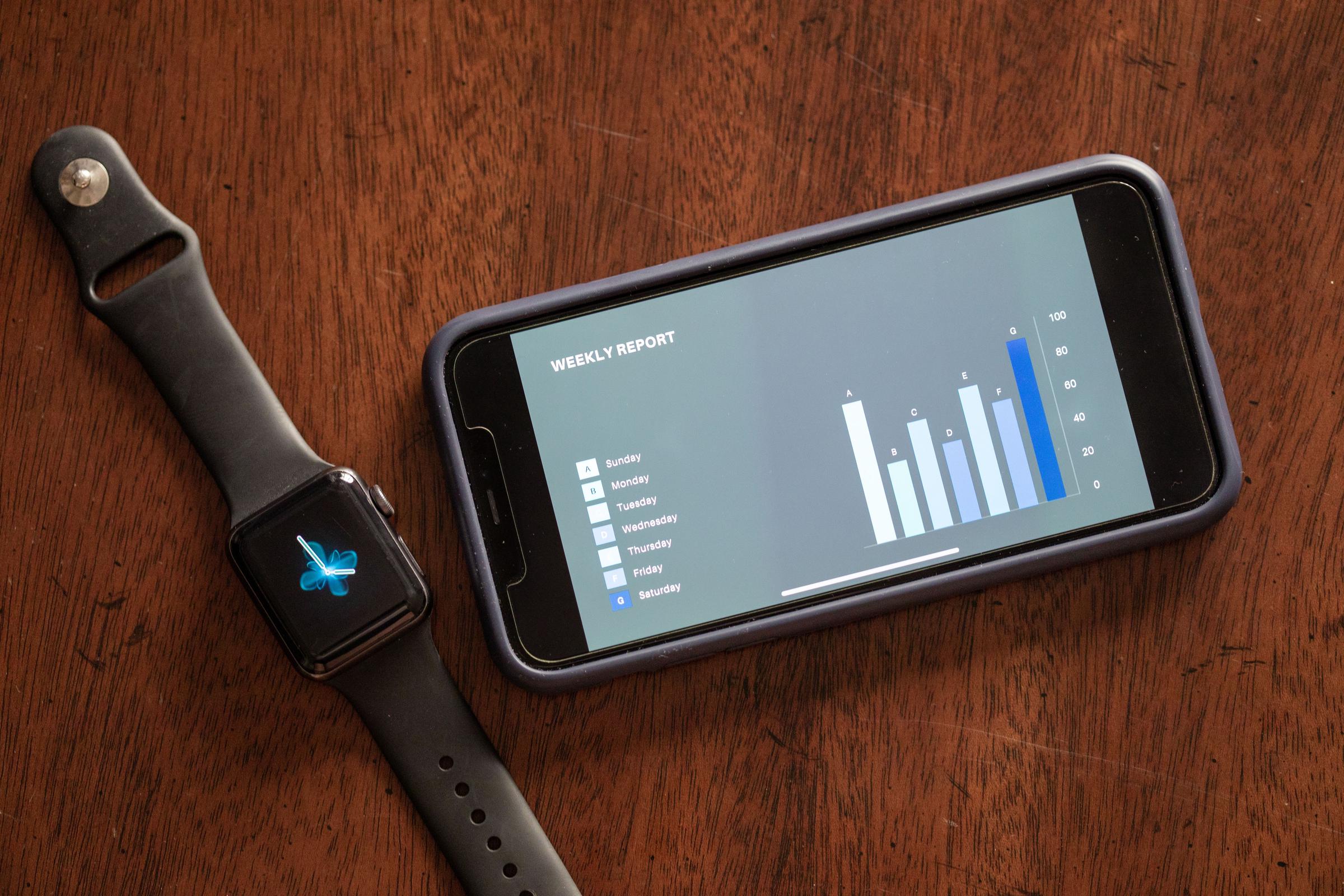
Building consistent routines becomes much easier with the support of habit tracking apps. These tools allow you to select a goal, record your actions each day, and...
Jun 24, 2026
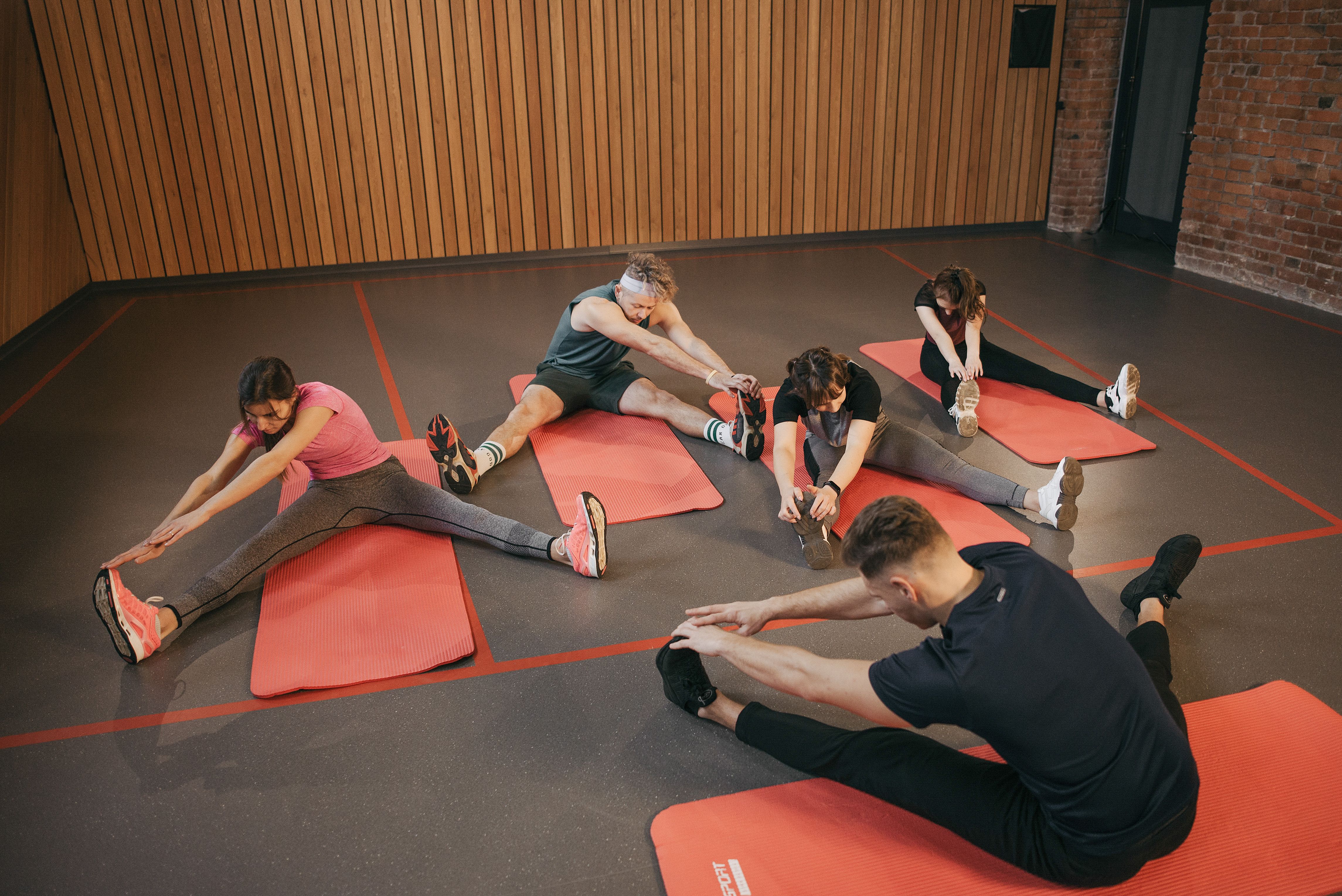
Joining group workouts brings a buzz of excitement as everyone pursues shared goals and enjoys a bit of friendly competition. Each weekly session encourages you to push...
Jul 01, 2026

Persistent pain disrupts routines and often leaves people feeling exhausted and discouraged. Even minor adjustments in pain management can create noticeable positive...
Apr 22, 2026

Gathering with others in a reading group opens up opportunities for connection and learning that go far beyond the pages of a book. You set clear intentions, discuss...
Jun 06, 2026

Quality sleep lays the foundation for feeling energized, staying in a good mood, and maintaining sharp focus throughout the day. By making a few straightforward changes...
Jun 28, 2026

Fresh air and natural surroundings can make a noticeable difference in how you feel. Spending time under a leafy canopy helps reduce stress and brings clarity to your...
Jun 10, 2026

Adults discover healthier routines through nature-based learning workshops that blend outdoor activities with practical lessons. These workshops invite participants to...
Jul 21, 2026

Building self-worth starts with the way we view ourselves and communicate our ideas. When individuals cultivate a more positive relationship with their bodies, they tap...
Aug 09, 2026