
7 Essential Techniques for Balancing Work and Life Effectively
Aug 12, 2026


Busy days often fill your schedule with work, family activities, exercise routines, and household responsibilities. As your mind shifts rapidly between competing demands, finding balance can feel challenging. A well-organized approach makes it easier to achieve your goals, finish important tasks, and still enjoy well-deserved downtime. This guide offers six straightforward ways to set boundaries, prioritize what matters most, and carve out time for yourself. By following these clear steps, you will feel more prepared to manage daily challenges and create space for relaxation and enjoyment.
Each suggestion comes with real-world tips you can test this week. You’ll learn how to say “no” without guilt, craft a daily schedule that feels manageable, and pick tech tools that support your habits. Follow these steps and watch your stress drop as you reclaim time for the things that matter.
When work extends into evenings and weekends, stress climbs. You can stop it by setting clear limits on when you work and when you don’t. Clear boundaries protect your focus at work and let you fully disconnect at home.
Label your home office or desk area “work only.” That visual cue helps your brain switch gears when you enter and leave that spot. By sharing your hours with others, you set expectations. They know when you can help and when you need downtime.
Use features like “Do Not Disturb” on your phone to mute email pings after 6 p.m. Commit to leaving your workspace at a set time. Consistent routines help your mind and body relax once work ends.
Trying to do every task at once leaves you exhausted and unsure where to start. A simple ranking system can cut through the clutter and point you to the next action.
Tagging tasks helps you decide which item deserves your attention. You find a clear “first move” and keep your momentum. Cross off each A task before you touch anything marked B or C.
At midday, glance at your list. If an A item slipped or a new priority emerged, adjust your labels. This method prevents low-value tasks from hijacking your day and gives you a sense of control.
You wouldn’t skip a meeting with your boss. Rest blocks deserve the same respect. When you carve out breaks and fun activities on your calendar, you prevent overwork and mental fatigue.
Choose one or two activities that recharge you. Maybe you walk your dog, read a novel for 20 minutes, or stretch between calls. Mark those minutes in *Google Calendar* and treat them like any appointment.
Set an alarm five minutes before each break. That warning helps you finish your current task without leaving it unfinished. During your break, step away from screens completely. Changing scenery clears your mind and boosts your focus when you return.
If you plan a longer break—like an hour bike ride or an early dinner with friends—treat it as a future appointment. You owe that time to your health and energy. Mark it clearly so work doesn’t creep inside.
You don’t need to face every challenge alone. Friends, colleagues, or family can offer advice, listen, and help practically. That social support lowers stress and prevents feelings of isolation.
Start by telling a trusted coworker about your boundary plans. Ask if they’d remind you to step away at quitting time. Join a local walking group or a weekly book club to connect outside work. These activities remind you that life goes beyond deadlines.
Use *Slack* channels or a private group chat to share tips. You might discover a shortcut that saves ten minutes per task or find a meditation app that helps you relax. Sharing insights builds camaraderie and encourages everyone to log off on time.
When work feels overwhelming, reach out for support. A quick chat over coffee can ease tension faster than struggling through another spreadsheet. These check-ins strengthen your commitment to respect personal time and seek help when needed.
Good habits boost your energy and focus. Sleep well, move daily, and eat balanced meals. These basics lay a foundation for steady productivity and stable mood.
Create a morning routine that prepares you for the day. Maybe you stretch for five minutes, drink a glass of water, and write down three positive intentions. Small acts like these add up over time.
Schedule short workouts in your evenings—like ten minutes of yoga or a quick jog. Label that time “You Time” in *Google Calendar* so it remains a priority. Eat protein at lunch to avoid afternoon slumps, and stand up every hour for a quick stretch or breathing exercise.
Meditation doesn’t need hours. Even two minutes of focused breathing before a meeting can lower your stress. Use a timer or a guided session in apps like *Headspace* to keep it simple. Over time, these moments of care build resilience.
Technology can distract or help. Choose apps that support your routines and turn off those that pull you away. Your goal is smart automation, not endless screen time.
Try website blockers to limit social media during work hours. Allow yourself two five-minute social media sessions per day instead of endless scrolling. That discipline saves hours of lost focus.
Explore simple project tools like *Trello* or the to-do list in *Microsoft Teams*. Instead of juggling sticky notes, keep tasks organized in one place. Check off completed tasks and see your progress. That small victory motivates you to keep going.
Use a shared family calendar app to coordinate meals, errands, and appointments. Clear visibility prevents double-booking and makes scheduling easier with your partner or roommates. When everyone sees the plan, you free mental space for rest and personal pursuits.
Set boundaries, plan tasks, and schedule breaks to create balance. Try these steps gradually and adjust as needed to improve your daily routine.

Group sessions that link everyday financial choices to personal wellness often lead to meaningful improvements. When you set clear intentions from the start, you help...
Aug 19, 2026

Many people experience crowded waiting rooms and stacks of paperwork before meeting with a clinician. Managing appointments, calling different offices, and checking...
Aug 30, 2026

Many people wake up searching for motivation and clarity to start their day with purpose. Joining a structured online challenge can provide the support you need to build...
May 12, 2026

Strong memory and consistent concentration build on more than determination alone. Studies highlight that specific nutrients and brain-training activities play a key...
Aug 22, 2026

Open and honest conversations lay the groundwork for meaningful relationships. When we truly listen and speak from the heart, we create space for growth, trust, and...
Jul 10, 2026

Small, consistent changes in your daily routine can support your health for years to come. Eating a variety of whole foods, staying active, and finding ways to manage...
May 19, 2026

Adults discover healthier routines through nature-based learning workshops that blend outdoor activities with practical lessons. These workshops invite participants to...
Jul 21, 2026

Quality sleep lays the foundation for feeling energized, staying in a good mood, and maintaining sharp focus throughout the day. By making a few straightforward changes...
Jun 28, 2026

Joining group workouts brings a buzz of excitement as everyone pursues shared goals and enjoys a bit of friendly competition. Each weekly session encourages you to push...
Jul 01, 2026

Understanding emotional intelligence shapes the way we recognize and respond to our own feelings while connecting with others. Workshops focused on this subject break...
Jun 02, 2026
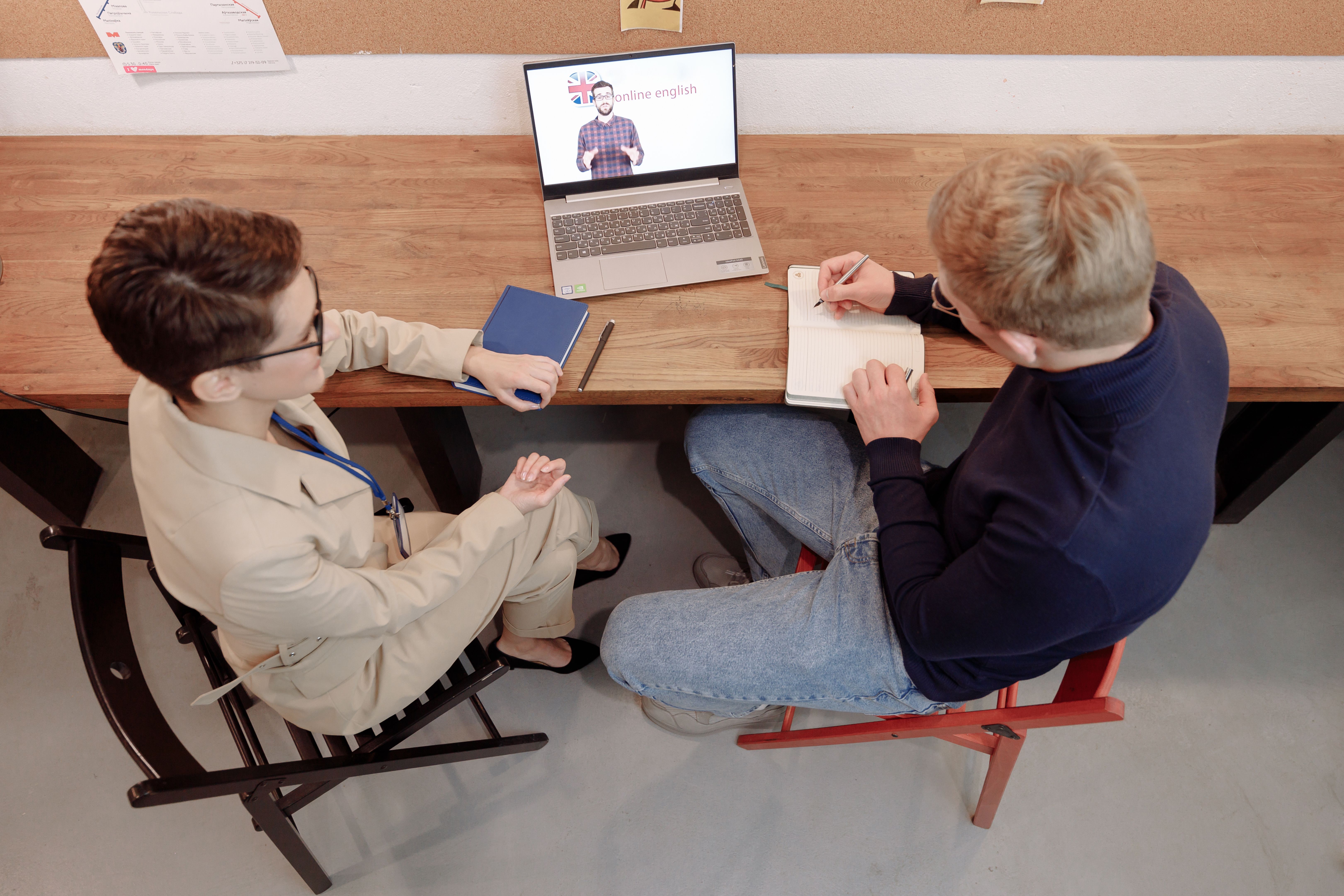
Picking up a new language challenges your mind and brings a sense of excitement to everyday life. As you learn fresh vocabulary and try out unfamiliar sounds, your brain...
Jul 14, 2026

Gentle movement routines offer noticeable benefits as bodies adapt and age. Practicing basic exercises helps reduce joint stiffness, improve muscle strength, and...
May 27, 2026

Fresh air and natural surroundings can make a noticeable difference in how you feel. Spending time under a leafy canopy helps reduce stress and brings clarity to your...
Jun 10, 2026
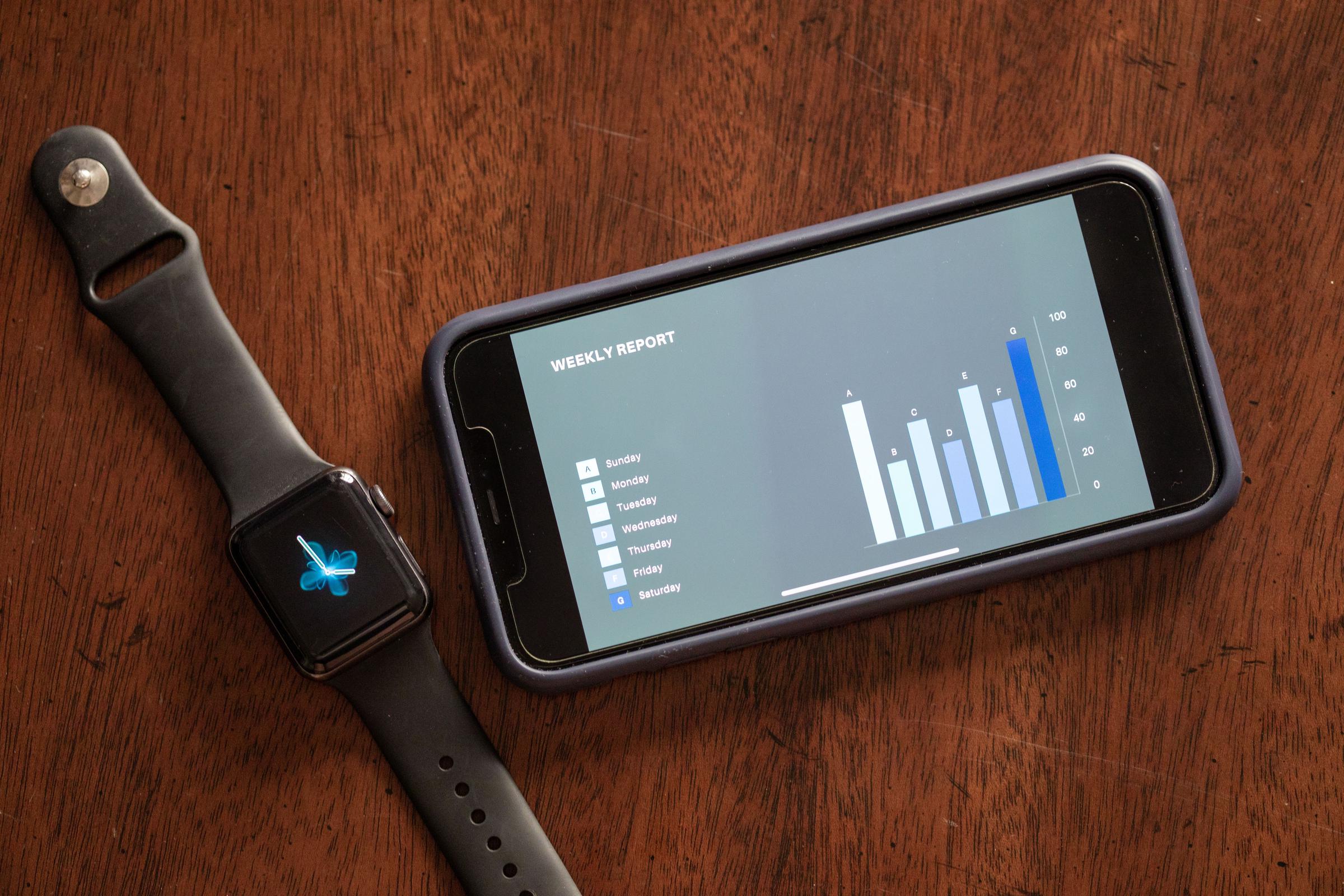
Building consistent routines becomes much easier with the support of habit tracking apps. These tools allow you to select a goal, record your actions each day, and...
Jun 24, 2026