6 Holistic Approaches to Preventing Chronic Diseases Naturally
May 19, 2026


Good immune health often starts with the everyday foods you prepare and enjoy at home. You can support your body’s natural defenses without reaching for specialty products or following complex plans. Choosing wholesome ingredients and sticking to straightforward routines often brings noticeable benefits. You will find practical, research-based ideas here that easily fit into any schedule, making it simple to prioritize your well-being while managing daily demands.
Your immune system shields you from germs and keeps you healthy. White blood cells patrol your bloodstream, ready to attack viruses and bacteria. This defense network depends on nutrients, cells, and signals working together smoothly.
When you lack essential vitamins or minerals, your response times slow down. Chronic stress or poor sleep further weaken your defense lines. Provide consistent support through diet and lifestyle to give your body the tools it needs to fight back effectively.
Keep quick immune boosts within reach. A handful of almonds provides vitamin E, a strong antioxidant. Replace chips with baby carrots and hummus. Chickpeas add protein and zinc.
Staying hydrated also supports immune health. Green tea contains catechins that inhibit viral replication. If you crave sweetness, blend citrus fruits into water for extra vitamin C. Avoid sugary sodas that weaken white cell activity.
Getting enough rest can make or break your immune defenses. Aim for seven to eight hours of sleep each night. Sleep deprivation reduces natural killer cell activity by 40%. Set a sleep schedule and dim the lights an hour before bedtime.
Physical activity complements your diet. Take a brisk, 30-minute walk five times a week to improve circulation. Better blood flow helps nutrients reach immune cells faster. Combine workouts with a post-exercise smoothie—spinach, banana, and almond milk—to replenish vitamins and minerals.
Managing stress also matters. Chronic stress floods your body with cortisol, which can suppress immune responses. Try quick breathing exercises or a 10-minute walk outside. These breaks help reset your mind and support immunity.
Improve gut health directly. Fermented foods like kimchi or *Kefir* promote diverse gut flora. Including a fermented element in each meal strengthens the gut-immune connection. Remember, about 70% of your immune cells reside in your digestive tract.
Stick with consistent habits rather than aiming for perfection. Daily routines matter more than occasional splurges. One antioxidant-rich smoothie or an extra hour of sleep won't fix ongoing deficiencies. Build steady routines for lasting benefits.
Track your progress by setting simple goals. Record your sleep hours, servings of fruits and vegetables, or daily water intake. Use a journal or free apps to hold yourself accountable. Small wins add up to big health improvements.
You don't need a complicated checklist to protect your health. Start with these practical steps and adjust them to fit your schedule. Your immune system thrives on regularity, balanced nutrition, and simple lifestyle changes.
Identify what works for you and stick with it. Make daily choices that strengthen your defenses.

Many people find it easier to track their health habits when they have the right tools at hand. This guide introduces six digital resources designed to help you collect...
Apr 07, 2026
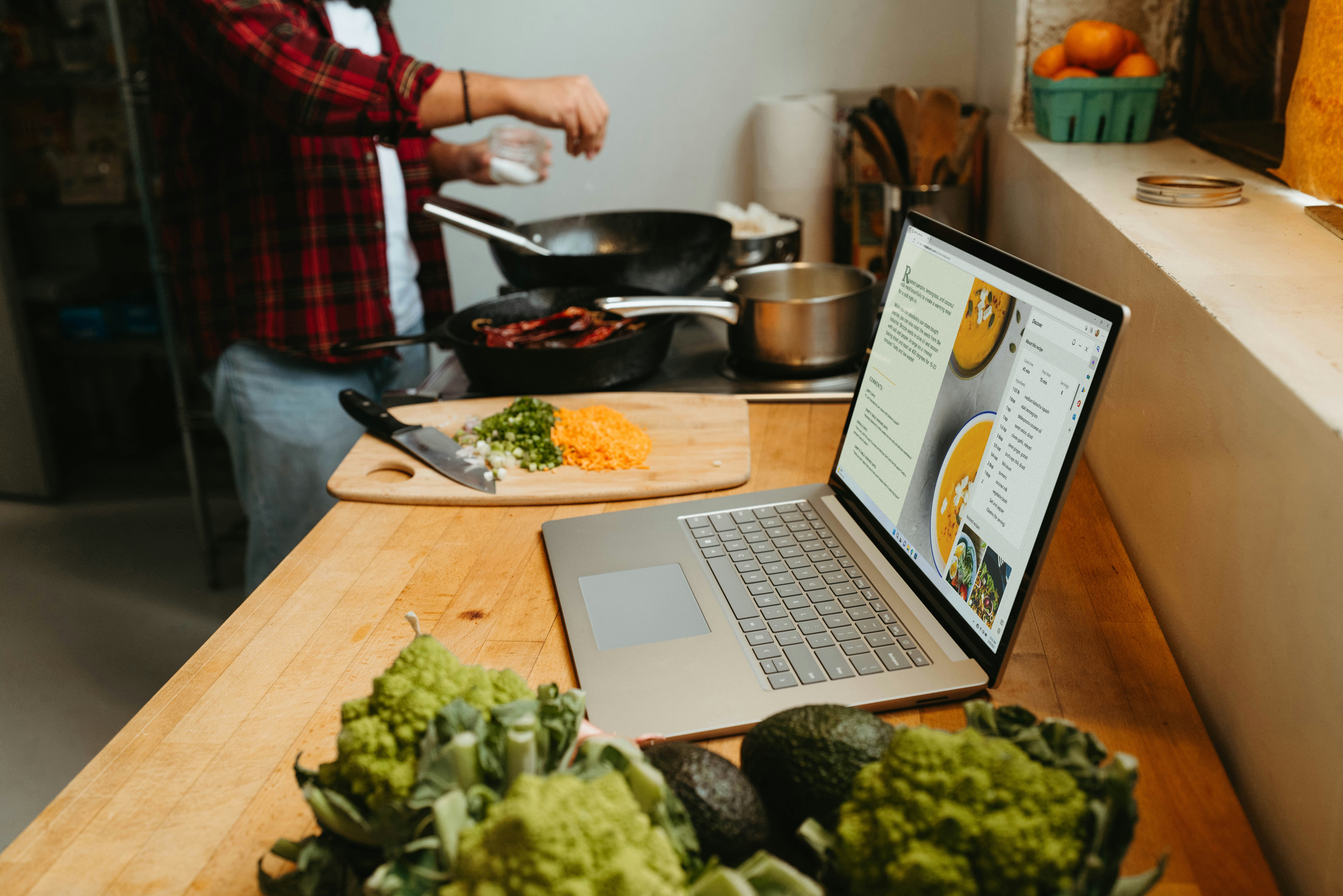
Preparing meals often means balancing nutrition, reducing food waste, and sticking to a budget, all while managing a busy schedule. Many people find it difficult to keep...
Aug 02, 2026

Restful sleep plays a crucial role in strengthening your memory and improving your ability to grasp new concepts. When you enjoy a full night of deep sleep, your brain...
May 02, 2026

Many people look for ways to better understand their health and make informed choices. Using online health risk assessments offers a simple and convenient way to spot...
Jun 21, 2026
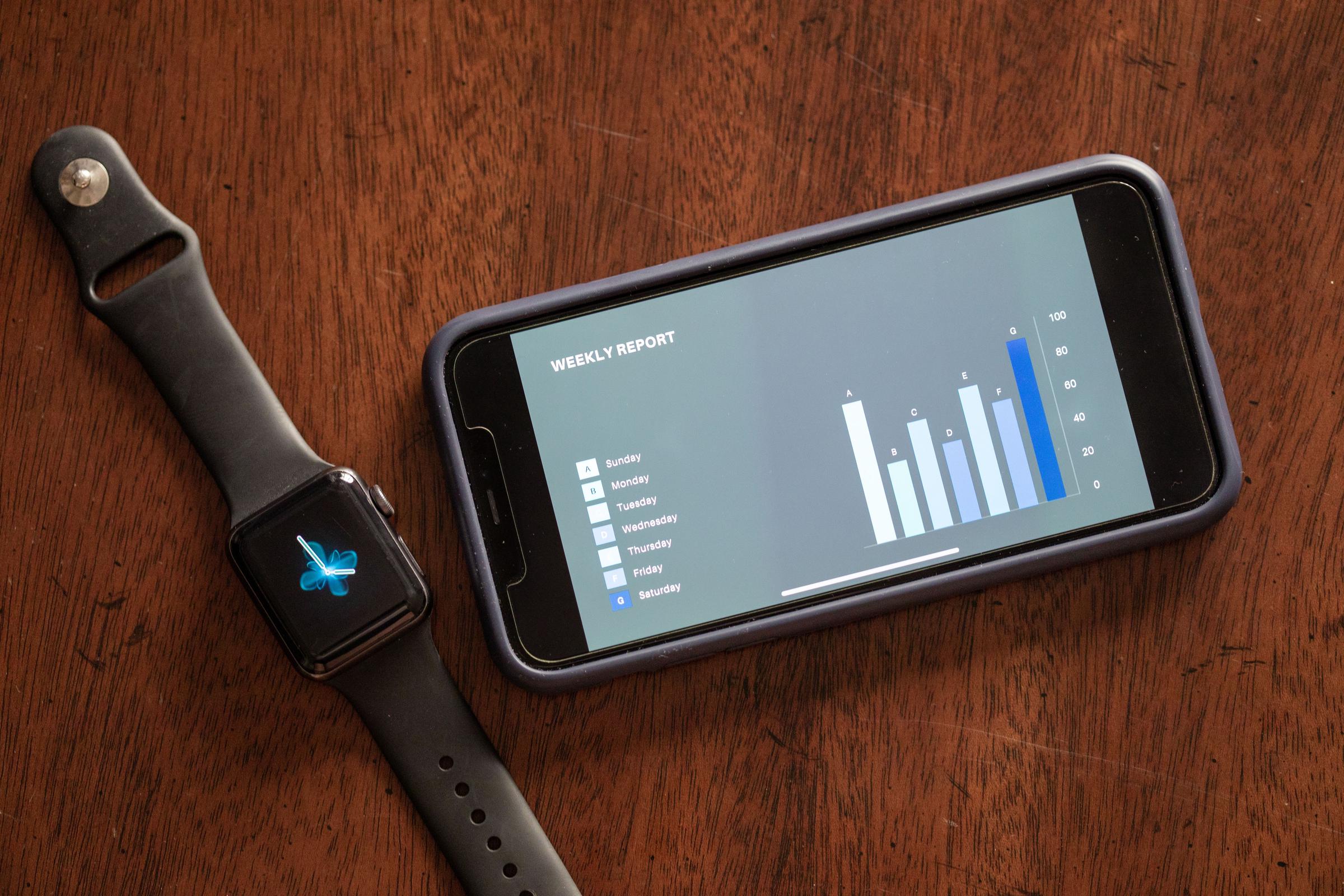
Building consistent routines becomes much easier with the support of habit tracking apps. These tools allow you to select a goal, record your actions each day, and...
Jun 24, 2026

Many people find that virtual doctor appointments make healthcare more convenient while still delivering precise results. With a dependable internet connection, some...
Jul 29, 2026

Quality sleep lays the foundation for feeling energized, staying in a good mood, and maintaining sharp focus throughout the day. By making a few straightforward changes...
Jun 28, 2026

Many people wake up searching for motivation and clarity to start their day with purpose. Joining a structured online challenge can provide the support you need to build...
May 12, 2026

Creating a routine that supports your body, mind, and spirit involves thoughtful planning and dedication. Begin by recognizing what you truly need, then decide on...
May 23, 2026

Monitoring your sleep reveals important details about the quality of your rest and how it affects your energy each day. Using a device that measures heart rate,...
May 09, 2026

Modern telehealth platforms simplify the process of managing long-term health conditions by bringing medical support directly to your fingertips. Through secure virtual...
Apr 15, 2026

Picking up a new language challenges your mind and brings a sense of excitement to everyday life. As you learn fresh vocabulary and try out unfamiliar sounds, your brain...
Jul 14, 2026

Gathering with others in a reading group opens up opportunities for connection and learning that go far beyond the pages of a book. You set clear intentions, discuss...
Jun 06, 2026

Fresh air and natural surroundings can make a noticeable difference in how you feel. Spending time under a leafy canopy helps reduce stress and brings clarity to your...
Jun 10, 2026