
5 Creative Ways to Boost Brain Health Through Language Learning
Jul 14, 2026


Exploring a new language opens up unique pathways in your brain. As you work through unfamiliar vocabulary and sentence structures, your mind actively adjusts and grows. Each lesson strengthens your memory and improves your ability to concentrate. Language study does much more than fill your free time; it acts as exercise for your mind, encouraging mental flexibility and keeping your cognitive abilities in top shape. The process challenges you to think in new ways, making each step both rewarding and beneficial for your brain’s overall health.
This guide breaks down the science and shares practical moves you can start today. You’ll find simple steps, real examples, and tips that fit busy schedules. Ready to make your brain more nimble? Let’s dive in.
These perks don’t appear overnight. You’ll see small gains after a few weeks, then bigger leaps as you log hours of practice.
Your brain can rewire itself thanks to neuroplasticity. As you learn new words, your neurons create new pathways. This process makes your brain more flexible and resilient.
Scanning studies show that bilinguals have thicker gray matter in areas responsible for language control. That means your voice and comprehension centers actually grow. Regular practice keeps this growth active. It’s like lifting mental weights each day.
Select a language that excites you. Maybe you love Spanish salsa beats or Japanese manga. Match content with your hobbies. That kind of alignment motivates you to practice more often.
If you need structure, choose a course with weekly milestones. If you prefer flexibility, install an app on your phone. Both options can help you develop strong skills if you stick with them.
Busy schedules shouldn’t stop you from practicing daily. You only need short, consistent sessions. Start with 10 minutes each morning. Review flashcards for common words. Do one mini-lesson during a coffee break.
Next, incorporate language into other daily tasks. Label household items with sticky notes. Change your phone or browser settings to your target language. That creates low-effort exposure hundreds of times a day.
Try a micro-conversation habit. At lunch, read one news headline in your new language. Write a quick sentence about your day. Send it to a study buddy. This habit links practice to your routine.
When progress stalls, don’t get discouraged. Switch tactics instead. If grammar drills bore you, watch a short video in your target language. If reading feels too hard, listen to a 5-minute podcast episode.
Celebrate small wins. Did you master a pronunciation challenge? Give yourself a star on a progress chart. Share that star with a friend who cheers you on. Positive feedback keeps your motivation high.
Joining a community helps maintain momentum. Join an online group or language exchange. Talking to real people makes practice social and enjoyable. You’ll get tips, instant corrections, and new topics to explore.
Keep track of your hours. Use a simple journal or a note app to log daily minutes spent studying. Aim for at least 100 minutes weekly. Seeing a growing total boosts your sense of achievement.
Set three goals: a vocabulary target, a reading benchmark, and a conversation milestone. For example, learn the top 200 words in three weeks. Read a short news article without a dictionary in six weeks. Hold a five-minute chat with a tutor in eight weeks.
Celebrate each achievement. Treat yourself to a cultural reward—order a meal that matches your new language. Or watch a movie without subtitles. Each win reinforces your habit and makes practice more exciting.
Learning a language does more than fill your brain with words. It rewires circuits, improves your memory, and sharpens your focus. You just need clear steps, daily habits, and a way to measure your progress. Choose a method that fits your life, set goals, and watch your mind change.
Begin today with a quick review and log your time to celebrate your first conversation. Your brain benefits from this simple step.

Gathering with others in a reading group opens up opportunities for connection and learning that go far beyond the pages of a book. You set clear intentions, discuss...
Jun 06, 2026

Every day brings new challenges, whether you are balancing work projects, caring for loved ones, or pursuing your own ambitions. Surprises often appear when you least...
Jul 05, 2026

Understanding emotional intelligence shapes the way we recognize and respond to our own feelings while connecting with others. Workshops focused on this subject break...
Jun 02, 2026

Adults discover healthier routines through nature-based learning workshops that blend outdoor activities with practical lessons. These workshops invite participants to...
Jul 21, 2026
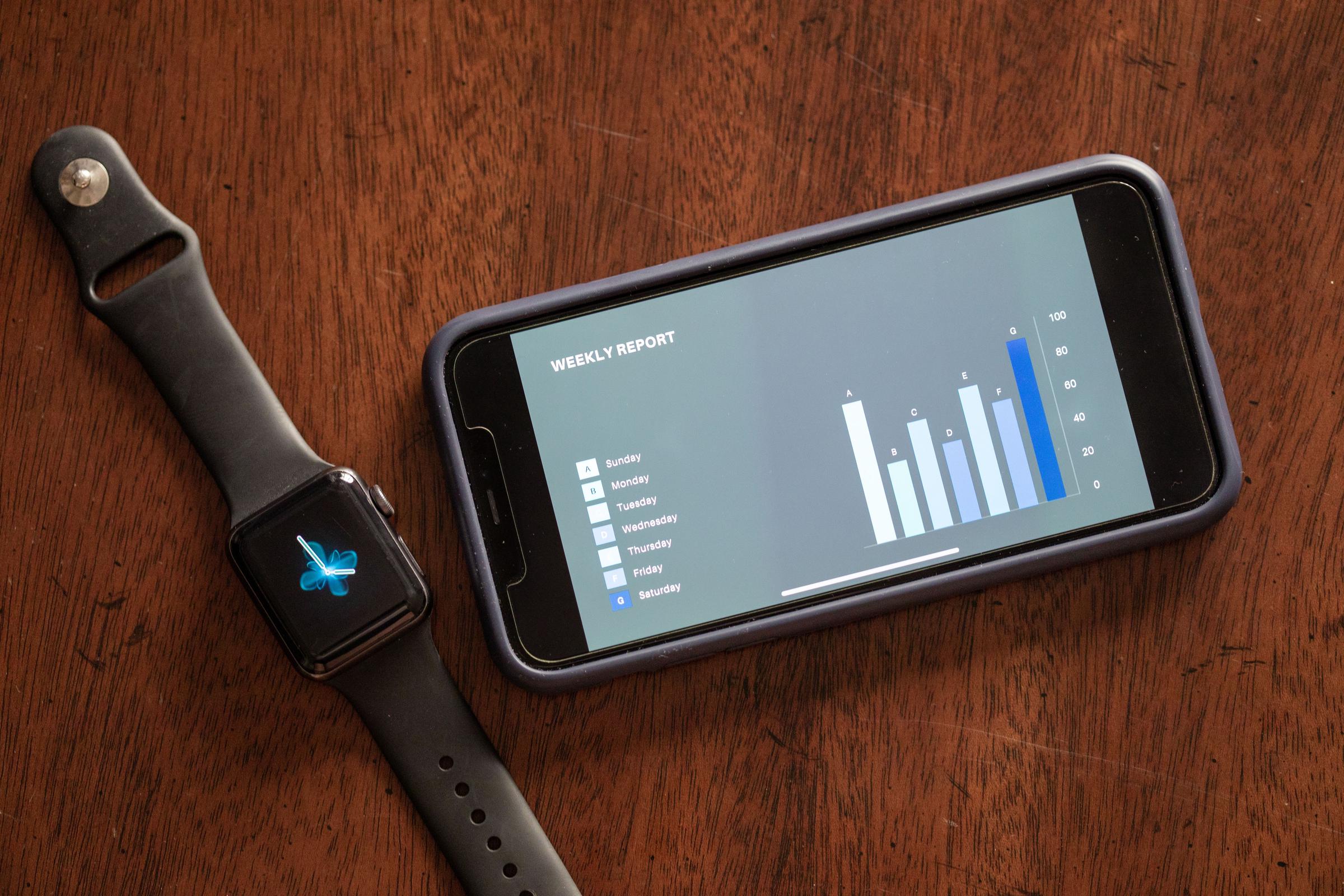
Building consistent routines becomes much easier with the support of habit tracking apps. These tools allow you to select a goal, record your actions each day, and...
Jun 24, 2026

Managing the expectations of your job alongside personal responsibilities influences your overall sense of well-being each day. Clearing mental clutter becomes easier...
Aug 12, 2026

Building self-worth starts with the way we view ourselves and communicate our ideas. When individuals cultivate a more positive relationship with their bodies, they tap...
Aug 09, 2026

Joining an online fitness hub opens the door to a community that celebrates your achievements, shares helpful advice, and supports your journey every step of the way....
Jun 15, 2026

Busy days often fill your schedule with work, family activities, exercise routines, and household responsibilities. As your mind shifts rapidly between competing...
Sep 12, 2026

Open and honest conversations lay the groundwork for meaningful relationships. When we truly listen and speak from the heart, we create space for growth, trust, and...
Jul 10, 2026

Joining group workouts brings a buzz of excitement as everyone pursues shared goals and enjoys a bit of friendly competition. Each weekly session encourages you to push...
Jul 01, 2026

Quality sleep lays the foundation for feeling energized, staying in a good mood, and maintaining sharp focus throughout the day. By making a few straightforward changes...
Jun 28, 2026

Preparing meals often means balancing nutrition, reducing food waste, and sticking to a budget, all while managing a busy schedule. Many people find it difficult to keep...
Aug 02, 2026

Group sessions that link everyday financial choices to personal wellness often lead to meaningful improvements. When you set clear intentions from the start, you help...
Aug 19, 2026