How to Build Stronger Connections With Mindful Communication Skills
Jul 10, 2026


Long hours at work often leave people feeling tense and unable to unwind. Stress can disrupt sleep, dampen your mood, and make it hard to concentrate. With online resources, you have the flexibility to explore helpful techniques without leaving home. Whether you want to pick up a new relaxation exercise during a break or try out a calming routine before bed, you can fit these activities into your schedule with ease. It’s important to create simple routines that become part of daily life, making stress management more natural over time. Below, you’ll find five practical steps you can try right away.
You can’t solve a problem until you know what causes it. Begin by examining your daily routines. Notice when you feel tightness in your shoulders or a racing mind. Those moments reveal triggers that you can track and address.
This review acts as your roadmap. Once you understand what sparks stress, you can create targeted fixes instead of relying on guesswork.
Doing the same actions repeatedly turns them into habits. When you schedule stress-relief activities into your week, they become a part of your normal flow. Here’s how to design a simple online routine:
By marking each session, you reinforce consistency. Soon, quick resets will become second nature, helping you feel calmer.
Mindful moments help you tune out distractions and stay present. Simple breathing exercises can lower your heart rate by up to 10% within minutes. You don’t need special equipment—just a quiet space and your own breath.
Begin with box breathing: inhale for four seconds, hold for four, exhale for four, then pause for four. Repeat four times. You’ll notice muscles relaxing and mental chatter slowing down.
Combine breathing with a grounding exercise. Look around and name five things you see, four you can touch, three you hear, two you smell, one you taste. This anchors your mind outside worries.
Sharing achievements and setbacks with others creates a sense of connection. Search for forums or social groups focused on stress relief. You’ll discover helpful tips that match your goals and real stories that inspire change.
Some members track stress using a custom hashtag. Others post daily check-ins on accountability threads. You can get fresh ideas and feedback. Posting a simple “Completed today’s breathing exercise!” can encourage others to support you.
Online groups often host live chats or weekly video meetups. Join a quick 10-minute breakout session. A brief face-to-face chat can reduce feelings of isolation and boost your motivation.
Data helps guide your actions. Choose a free app or spreadsheet to log your stress levels and coping efforts. Within two weeks, you’ll notice patterns and improvements.
Try *Headspace* or *Calm* for guided sessions and tracking features. They record your streaks and send gentle reminders if you skip a day. These prompts help you stay consistent without nagging.
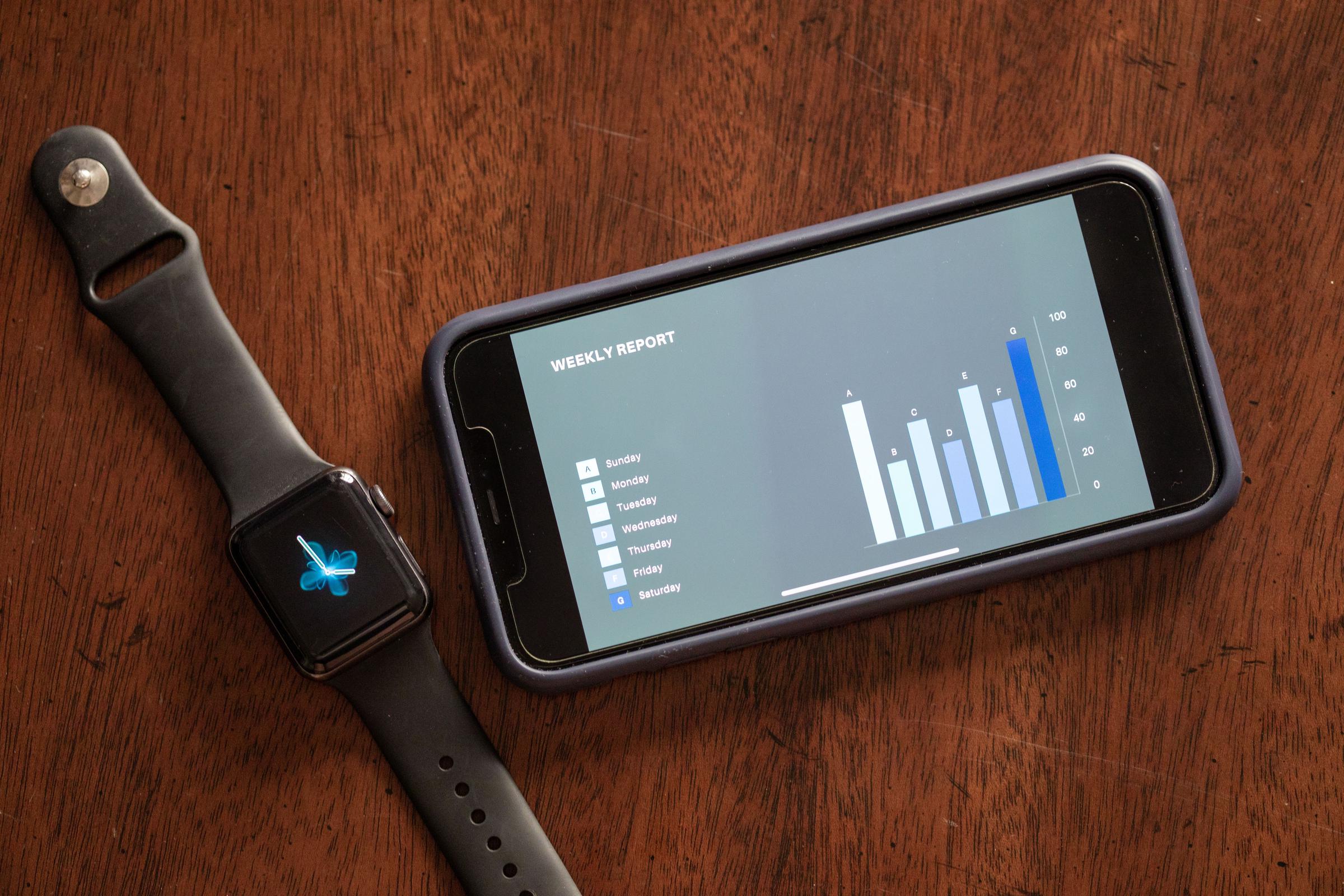
Some apps connect to wearable devices. That way, your heart rate dips or spikes directly feed into your log. Seeing numbers change after a breathing exercise boosts your confidence.
At the end of the month, review your charts. Celebrate your progress. Adjust your plan where numbers indicate lagging results. This cycle of measuring, adjusting, and repeating leads to steady progress.
Manage stress by starting small and sticking to your plan. Use helpful tools and networks to build resilience quickly. Take one step now to move toward a calmer you.

Gentle movement routines offer noticeable benefits as bodies adapt and age. Practicing basic exercises helps reduce joint stiffness, improve muscle strength, and...
May 27, 2026

Every day brings new challenges, whether you are balancing work projects, caring for loved ones, or pursuing your own ambitions. Surprises often appear when you least...
Jul 05, 2026

Group sessions that link everyday financial choices to personal wellness often lead to meaningful improvements. When you set clear intentions from the start, you help...
Aug 19, 2026

Many people experience crowded waiting rooms and stacks of paperwork before meeting with a clinician. Managing appointments, calling different offices, and checking...
Aug 30, 2026

Understanding emotional intelligence shapes the way we recognize and respond to our own feelings while connecting with others. Workshops focused on this subject break...
Jun 02, 2026

Joining an online fitness hub opens the door to a community that celebrates your achievements, shares helpful advice, and supports your journey every step of the way....
Jun 15, 2026

Managing the expectations of your job alongside personal responsibilities influences your overall sense of well-being each day. Clearing mental clutter becomes easier...
Aug 12, 2026

Picking up a new language challenges your mind and brings a sense of excitement to everyday life. As you learn fresh vocabulary and try out unfamiliar sounds, your brain...
Jul 14, 2026

Selecting a health risk tool that matches your unique lifestyle and personal goals gives you the opportunity to improve your well-being with confidence. The most...
Sep 04, 2026

Strong memory and consistent concentration build on more than determination alone. Studies highlight that specific nutrients and brain-training activities play a key...
Aug 22, 2026

Quality sleep lays the foundation for feeling energized, staying in a good mood, and maintaining sharp focus throughout the day. By making a few straightforward changes...
Jun 28, 2026

Preparing meals often means balancing nutrition, reducing food waste, and sticking to a budget, all while managing a busy schedule. Many people find it difficult to keep...
Aug 02, 2026

Joining group workouts brings a buzz of excitement as everyone pursues shared goals and enjoys a bit of friendly competition. Each weekly session encourages you to push...
Jul 01, 2026

Good immune health often starts with the everyday foods you prepare and enjoy at home. You can support your body’s natural defenses without reaching for specialty...
Aug 05, 2026