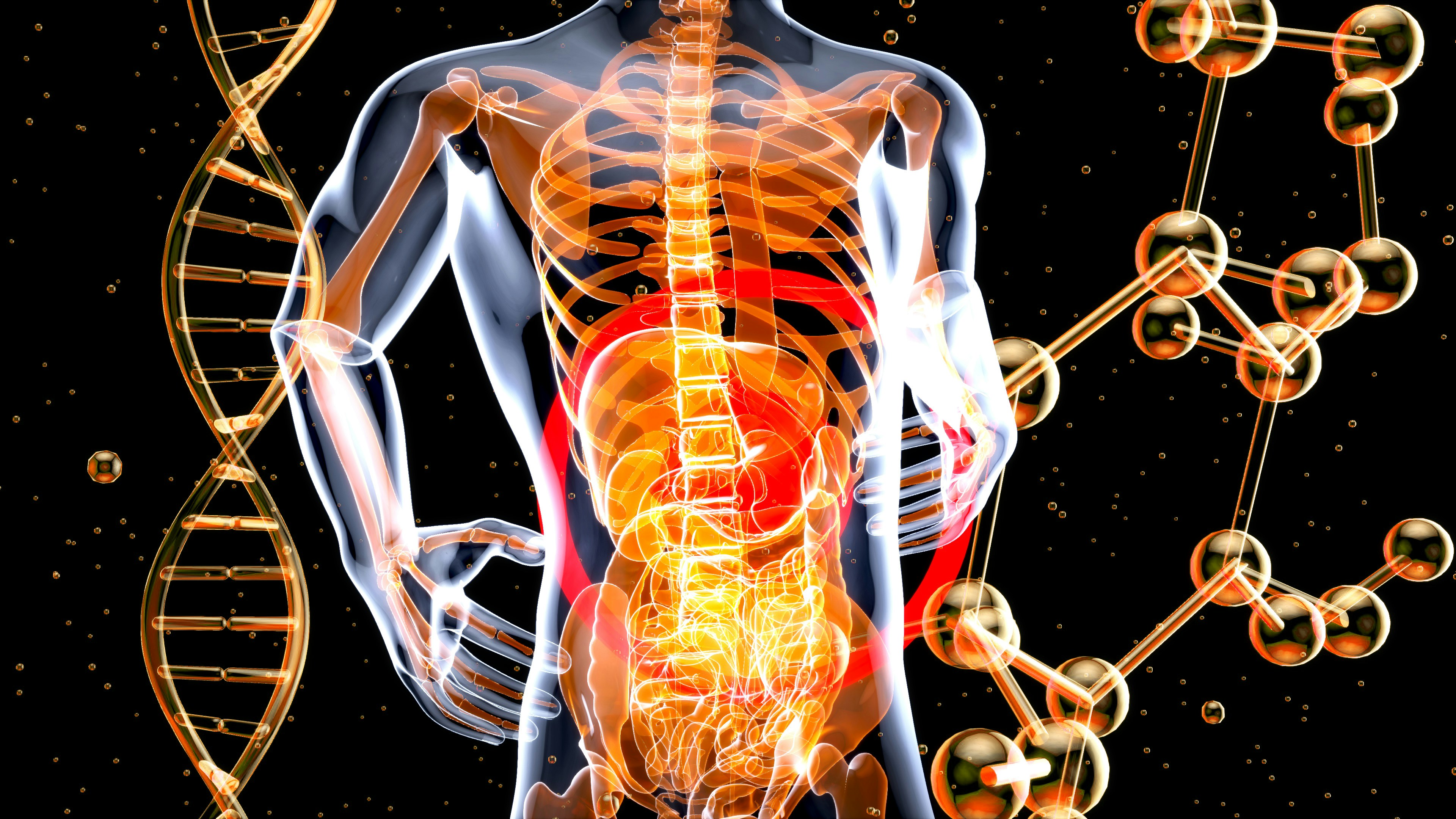
6 Holistic Approaches to Preventing Chronic Diseases Naturally
May 19, 2026


Fresh fruits, vegetables, and wholesome proteins lay the foundation for healthy aging. Choosing these foods and staying well-hydrated support your body’s ability to renew and protect its cells. As people grow older, their nutritional needs shift, calling for thoughtful adjustments to daily meals and habits. Small changes, such as selecting nutrient-rich options and combining them wisely, help you stay energized and focused. Adopting simple routines that highlight real, unprocessed foods can make a noticeable difference in how you feel each day. With these five practical tips, you can enjoy greater energy, mental clarity, and a sense of balance as the years go by.
You nourish cells best when you stick to foods in their natural state. Real, unprocessed choices supply vitamins, minerals, and antioxidants that packaged items often lack. Aim for a colorful variety and seasonal picks to keep meals exciting.
Buy from local farmers markets when possible. You get fresher produce and support nearby growers. Wash and prep items in batches so you can grab snacks when hunger strikes. That simple habit cuts down on fast-food temptations.
Protein helps preserve muscle mass and supports immune health. Plant-based sources often come with fiber and healthy fats. They also contain fewer inflammatory compounds compared to processed meats.
Rotate beans, peas, edamame, and tempeh throughout the week. You’ll get a full spectrum of proteins, vitamins, and minerals. Cooking beans from scratch also reduces sodium compared to canned versions.
Omega-3 fats reduce inflammation and support cell structure. They also promote clear thinking and stable moods. Focus on fatty fish, seeds, and nuts to get those benefits without additives. Incorporate them into snacks, meals, and even smoothies.
Start your day with a tablespoon of ground flaxseed stirred into yogurt or oatmeal. Snack on walnuts and pumpkin seeds instead of chips. Grill salmon or mackerel twice a week. These simple swaps increase your intake of EPA and DHA, two key omega-3s linked to sharper memory and lower cardiovascular risk.
Good digestion fuels energy and prevents bloating. It also feeds gut bacteria that protect against inflammation. Aim for at least 25 grams of fiber each day. Balance soluble and insoluble fiber choices for maximum benefits.
Drink warm water with a slice of lemon each morning. It kickstarts digestion and eases stool passage. Prepare overnight oats with berries and seeds. They taste great and help you reach your fiber goal before lunch.
Adults often overlook signs of dehydration like dry skin, fatigue, or joint stiffness. You need water and essential minerals to keep cells plump and chemical reactions running smoothly. Plain water works, but adding nutrients turns a simple habit into a performance booster.
Use a clear water bottle or app reminders to stay on track. You will notice fewer headaches and better skin elasticity as you increase your fluid intake.
Use these tips to provide your body with essential nutrients, improving energy, memory, and health. Make small changes, track your progress, and adapt them to your preferences for lasting benefits.

Fresh air and natural surroundings can make a noticeable difference in how you feel. Spending time under a leafy canopy helps reduce stress and brings clarity to your...
Jun 10, 2026

Learning something new brings excitement and motivation to daily routines. Gaining fresh knowledge sharpens concentration and provides a rewarding sense of...
Mar 31, 2026

Group-based online wellness challenges bring people together through shared goals and mutual encouragement. By joining a team, participants set targets as a group and...
Apr 11, 2026

Creating a routine that supports your body, mind, and spirit involves thoughtful planning and dedication. Begin by recognizing what you truly need, then decide on...
May 23, 2026

Many people wake up searching for motivation and clarity to start their day with purpose. Joining a structured online challenge can provide the support you need to build...
May 12, 2026

Quality sleep lays the foundation for feeling energized, staying in a good mood, and maintaining sharp focus throughout the day. By making a few straightforward changes...
Jun 28, 2026

Bringing together your body and mind as a single team creates real improvements that show up in your everyday routine. By focusing your attention and tuning in to mental...
Apr 03, 2026

Setting up a dedicated area for studying helps you draw a clear line between your academic work and everyday responsibilities. By choosing specific times and places for...
Apr 29, 2026

Gathering with others in a reading group opens up opportunities for connection and learning that go far beyond the pages of a book. You set clear intentions, discuss...
Jun 06, 2026

Saying “no” can feel uncomfortable, especially when others overlook your boundaries. You might find yourself agreeing to requests at work or home just to avoid seeming...
Apr 25, 2026
Joining group workouts brings a buzz of excitement as everyone pursues shared goals and enjoys a bit of friendly competition. Each weekly session encourages you to push...
Jul 01, 2026

Many people find that reaching for a paintbrush after a difficult day brings a sense of relief and a renewed spark. Creative expression offers a way to process emotions...
Mar 24, 2026

Gentle movement routines offer noticeable benefits as bodies adapt and age. Practicing basic exercises helps reduce joint stiffness, improve muscle strength, and...
May 27, 2026

Modern telehealth platforms simplify the process of managing long-term health conditions by bringing medical support directly to your fingertips. Through secure virtual...
Apr 15, 2026